

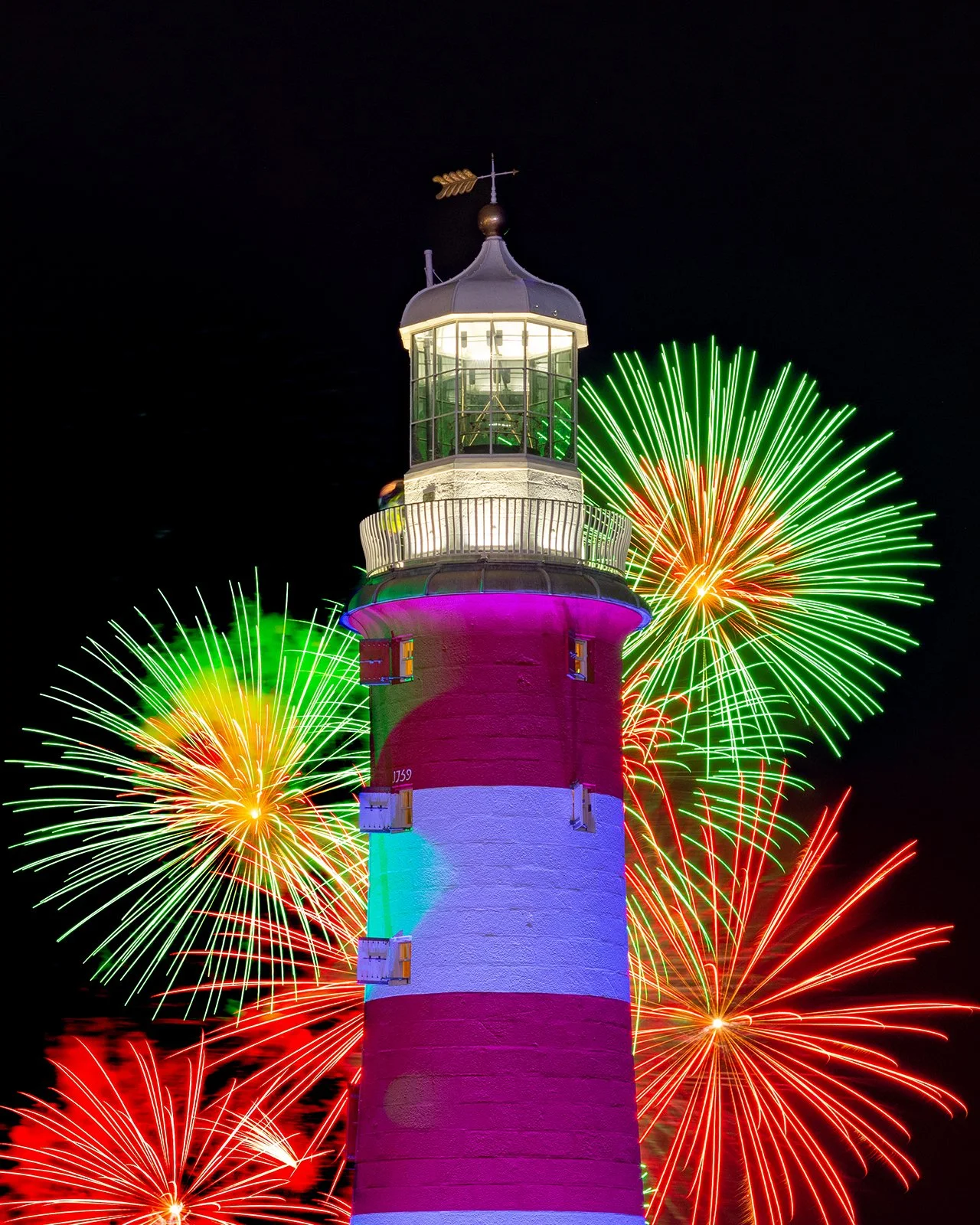
How to Photograph the National Fireworks Championship: Ultimate Guide & Camera Settings
The salt air of Plymouth Sound carries a palpable hum of anticipation. Thousands line Plymouth Hoe and drape over the cliff edges, waiting for that first jagged flash to tear across the August night sky. When the National Fireworks Championship arrives, it transforms the UK coastline into a dramatic amphitheatre of thunder and light.
For photographers, framing a pyrotechnic spectacle against iconic landmarks like Smeaton’s Tower is a dream project. However, capturing a crisp, colourful masterpiece rather than a blown out smear of white light requires deliberate preparation.
The salt air of Plymouth Sound carries a palpable hum of anticipation. Thousands line Plymouth Hoe and drape over the cliff edges, waiting for that first jagged flash to tear across the August night sky. When the National Fireworks Championship arrives, it transforms the UK coastline into a dramatic amphitheatre of thunder and light.
For photographers, framing a pyrotechnic spectacle against iconic landmarks like Smeaton’s Tower is a dream project. However, capturing a crisp, colourful masterpiece rather than a blown out smear of white light requires deliberate preparation.
Use this step by step fireworks photography guide to master camera settings, essential gear, and pro timing techniques for the big night.
Essential Gear for Fireworks Photography
Before heading down to Plymouth Hoe, Mount Edgcumbe, or Jennycliff, pack these critical tools to keep your shots sharp in challenging low light conditions:
Sturdy Camera Tripod: Slow shutter speeds mean handholding is out of the question. A heavy duty tripod anchors your camera against stiff coastal winds.
Remote Shutter Release: Triggering your camera via a cable release, wireless remote, or mobile app eliminates the micro-shake caused by pressing the shutter button manually.
Wide Angle Lens: A 16–35mm lens allows you to frame the high-altitude explosive blooms alongside ambient foreground elements like Smeaton's Tower or Plymouth Harbor.
Best Camera Settings for Fireworks
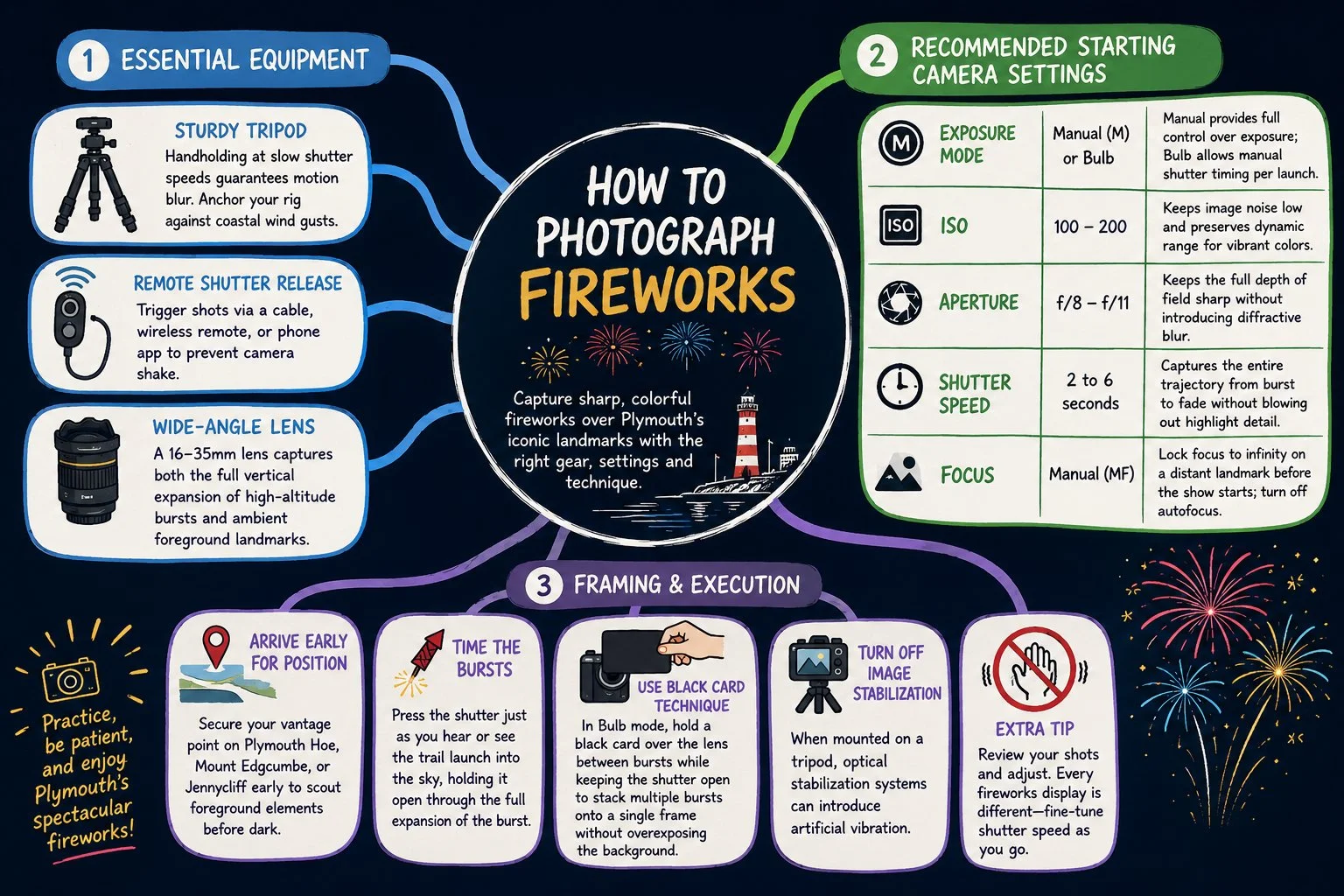
How to guide for Photographing fireworks
Auto modes struggle in extreme contrast and darkness. To get full control over your exposure, dial in these manual settings before the show starts:
Setting
Recommended Value
Why It Works
Shooting Mode
Manual (M) or Bulb
Manual gives total exposure control; Bulb lets you hold the shutter open for the duration of a burst.
ISO
100 or 200
Low ISO values minimize image noise, preserve dynamic range, and keep colour trails vibrant.
Aperture
f/8 to f/11
A mid range aperture keeps foreground landmarks and fireworks sharply in focus without soft diffraction.
Shutter Speed
2 to 6 Seconds
Captures the entire trajectory, from the initial rocket launch to the trailing fade, without overexposing.
Focus Mode
Manual (MF)
Switch off autofocus. Lock manual focus to infinity () using a distant light source before dark.
Pro Tip: Turn off Image Stabilization (IS/VR) when your camera is mounted on a tripod. The system can accidentally introduce internal vibration when searching for movement that isn't there.
Pro Timing & Composition Techniques
Once the darkness breaks and the first mortars launch into the night, rely on these field techniques to capture pro-level shots:
Scout Your Vantage Point Early: Arrive at Plymouth Hoe hours before dusk. Position yourself to capture high altitude bursts while framing silhouettes, water reflections, or historic monuments in the lower third of your frame.
Time the Rocket Trails: Don't wait for the explosion to click the shutter. Listen for the launcher thump, watch for the streak of light climbing into the sky, and press your remote shutter just before the shell reaches its apex.
Try the "Black Card" Technique: Set your camera to Bulb mode. Hold a piece of black matte cardboard over the front of your lens between bursts while keeping the shutter open. This stacks multiple firework displays onto a single image frame without overexposing the night sky.
Manage Smoke Accumulation: The best photos happen during the first 10 to 15 minutes of the display. As the show progresses, heavy smoke builds up over Plymouth Sound and catches excess ambient light. Shoot your primary hero shots early in the schedule.
Frequently Asked Questions
Should I shoot fireworks in RAW or JPEG?
Always shoot in RAW format. Fireworks feature extreme highlights and deep shadows; RAW files preserve the dynamic range necessary to highlight rich colour trails and lift dark foreground details during post-processing.
How do I avoid overexposed fireworks?
If the centres of your firework bursts appear plain white with no colour, your aperture is too wide or your shutter speed is too long. Stop down your aperture from f/8 to f/11 or shorten your exposure time.
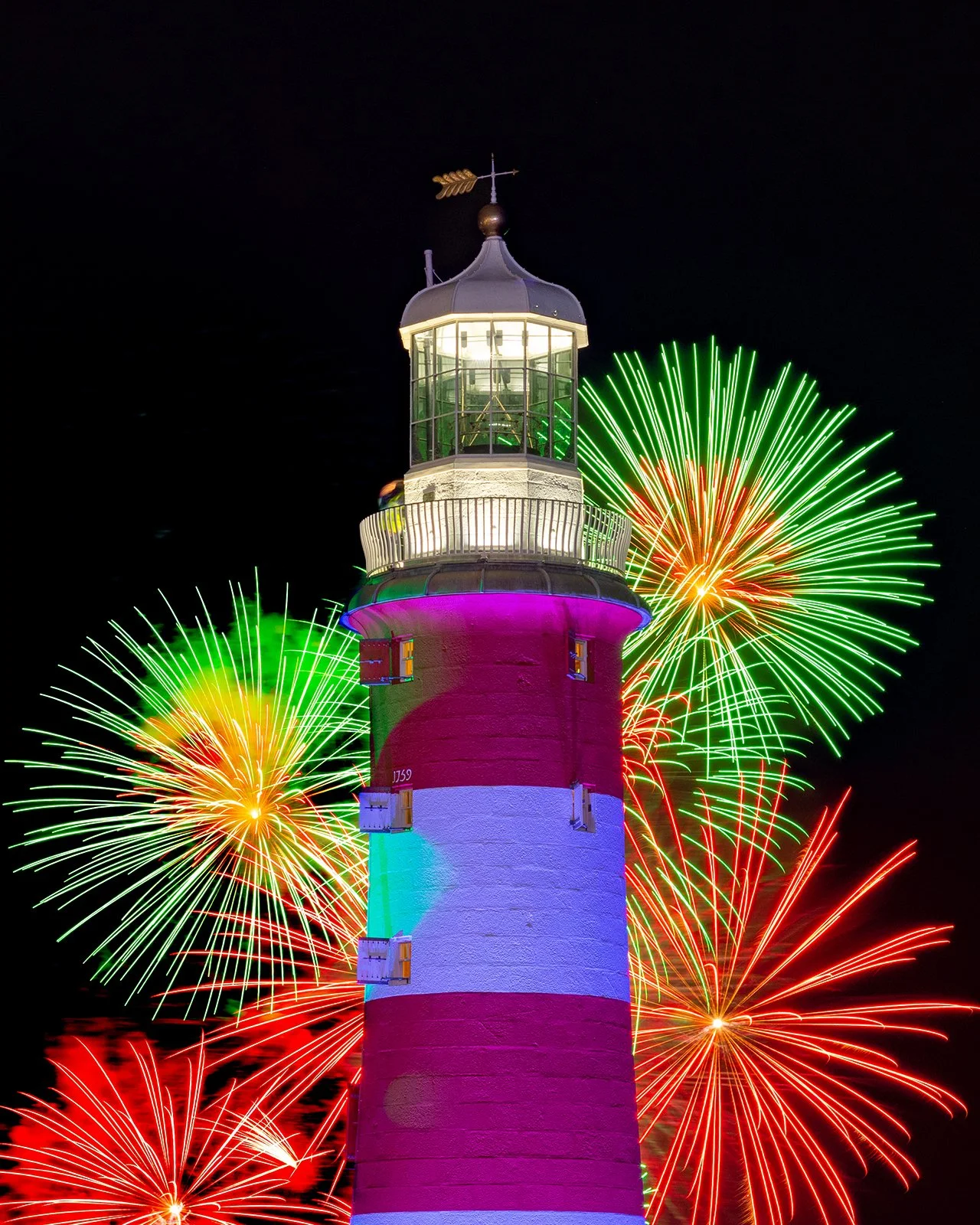
Fireworks explode behind Smeatons Tower Lighthouse
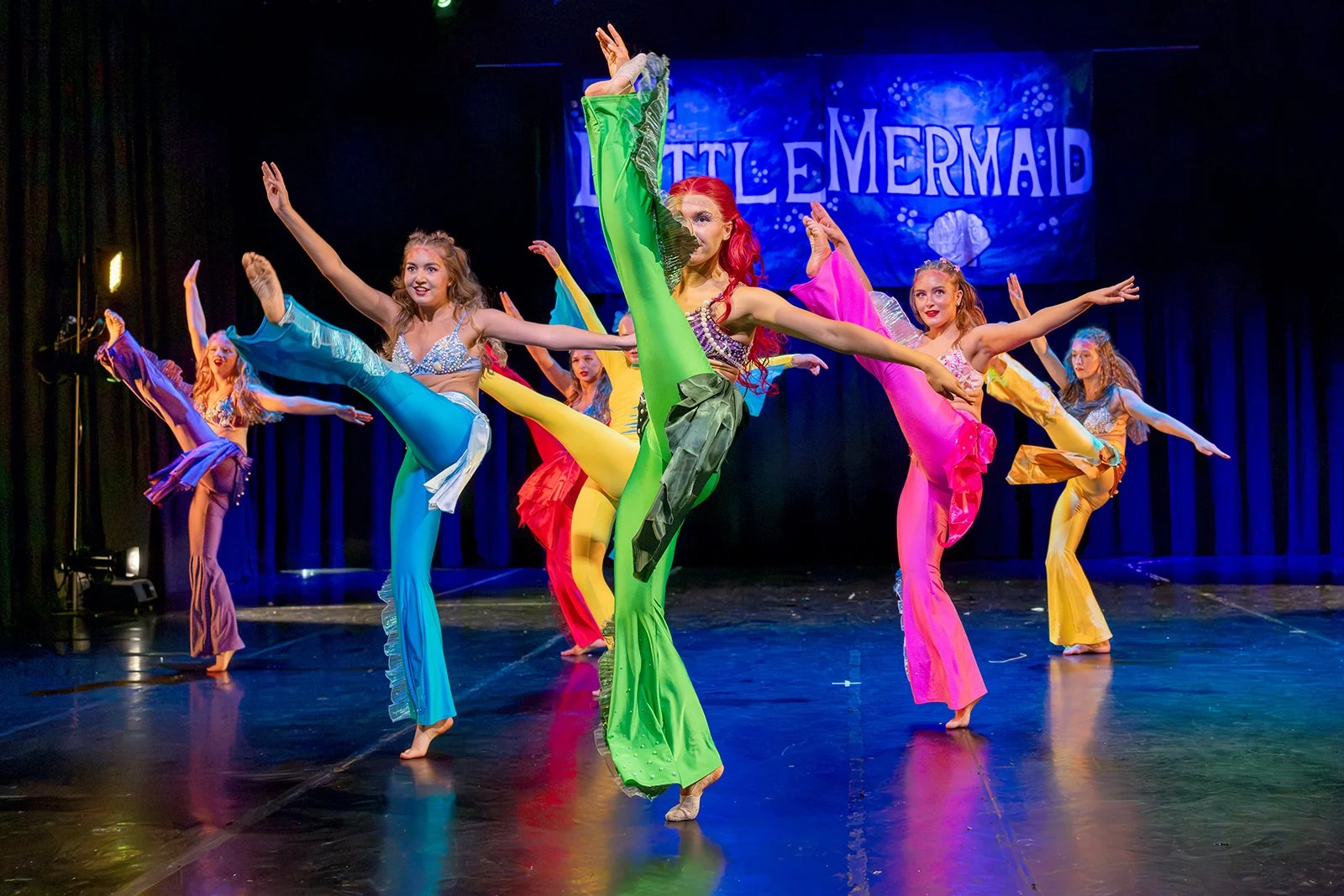
A Chaotic, Glorious Month of Stage & Dance Photography
People often ask me whether I prefer theatre photography or dance photography. To which I say: How does one choose between a lovely cup of tea and a brisk walk through a hurricane? They are entirely different beasts.
Photographing live dance is fundamentally an exercise in defying the laws of physics. It’s about freezing a fleeting micro second of kinetic energy, capturing a high leap at the exact moment gravity seems to take a short tea break.
Ah, July. That most treacherous of months when the British calendar conspires to drag innocent, peace loving individuals away from the god given right to a hot dinner and thrust them into the dimly lit, mildly frantic universe of amateur theatre photography.
In the grand and inexplicably chaotic cosmic tapestry of MJC Photography, July is universally recognized as Show Month, a time when sleep becomes an abstract theoretical concept and one’s camera gear begins to feel less like professional equipment and more like a set of heavy iron weights designed to test a human’s mental fortitude.
Act I: The Emotional Rollercoaster of West Side Story
We kicked off this month of stage photography with West Side Story, a production that was, quite frankly, an absolute emotional rollercoaster.
One minute you're marvelling at the choreography through the viewfinder; the next, you're deeply concerned for the vocal cords of a teenager who is giving it their absolute all while wearing a remarkably convincing 1950s leather jacket.
Act II: The Great Culinary Betrayal & Emergency Theatre Shoot
The following week offered up an abundance of drama, though I regret to inform you that the most harrowing scene did not actually take place on stage.
There I was, floating merrily down the highway in the soothing, bumper to bumper bliss of British rush hour traffic. My mind had comfortably uncoupled itself from reality and was happily floating toward a future that involved a magnificent, freshly cooked dinner. Life was good.
Then, the phone rang. It was Laura of LS Drama workshops.
"How far away are you?" she asked.
Now, those five words delivered in a tone that suggests someone has either left the oven on or accidentally declared war on a small European nation, are guaranteed to make an event photographer's stomach drop directly into their socks. All thoughts of a delicious meal instantly vanished, replaced by the icy grip of sudden panic.
You see, in my innocent mind, I wasn't scheduled to photograph the show until Friday night. What I had critically failed to appreciate was that the universe (via the theatre management) had concocted a completely different cast for Thursday night, and Laura wanted both captured for posterity.
The Sprint of a Lifetime
I am reasonably certain it violates several international treaties to make a person sprint through their own home, madly hoovering up camera lenses and tripods, while the glorious, taunting aroma of an unattended home-cooked meal wafts through the hallway.
Consequently, the Thursday night cast were greeted by a theatre photographer who was:
Unusually sweaty,
Decidedly hangry, and
Secretly calculating if it was socially acceptable to eat a granola bar during a dramatic monologue.

Miraculously, my visible distress did not derail the proceedings. The cast was utterly faultless, and the entire production was a visually stunning triumph, ably abetted by the splendidly dramatic lighting provided by the good folks at MB Productions.
Act III: Freezing Time with Dance Photography
Having survived the pint sized thespians, I was promptly hurled into the breathtakingly athletic world of dance photography courtesy of the Linda Mortimore and Charlotte Smith School of Dance.
People often ask me whether I prefer theatre photography or dance photography. To which I say: How does one choose between a lovely cup of tea and a brisk walk through a hurricane? They are entirely different beasts.
Photographing live dance is fundamentally an exercise in defying the laws of physics. It’s about freezing a fleeting micro second of kinetic energy, capturing a high leap at the exact moment gravity seems to take a short tea break.
Defying Camera Settings & Stage Lighting
Now, while MB Productions once again provided stage lighting that was rich, dramatic, and intensely atmospheric, it was also the sort of low light environment that makes a camera sensor weep quietly in the dark. In order to catch every flying kick and high speed spin without turning the performers into blurry streaks of colour, I had to dial my camera settings up to ISO levels that would make the chief technicians at NASA tilt their heads in quiet awe.

The Final Bow
When the dust settled and the digital noise cleared, I was genuinely thrilled with the results. It is a rare privilege to document so many remarkably agile, dexterous, and endlessly energetic teenagers doing what they love (even if it does occasionally interrupt my tea time).
So, that was July: sweat, missed meals, and sheer theatrical triumph.
Now then... what on earth is August planning to throw at me?
Looking for Stage or Event Photography?
Whether you need high-speed dance performance photography or full theatre showcoverage, MJC Photography is ready for the action (and hopefully, a full meal beforehand). Get in touch today to book your show

The Physics of the Flash (Or, Why Your Phone Isn't Enough)
Most people think light is just... there. It’s what keeps you from walking into the furniture. But for a professional dance photographer, light is more like a sculptor’s chisel.
If you use the kind of flat, bright light you find in a supermarket or a particularly aggressive dentist’s office, the dancer disappears. They become two-dimensional, like a cardboard cutout. To capture the true art of movement, you need shadows. Shadows are what tell the viewer’s brain that the dancer has muscles, depth, and hasn't just been flattened by a falling piano.
Key Factors in Dance Portrait Lighting:
Directional Drama: Notice the way light falls across a face in a professional portrait. We call this "sculpting with light." By angling the light—much like the way a sunset makes even a compost heap look majestic—we highlight the grace and strength of the dancer.
The "Freeze" Factor: Dancers move fast. Faster than a rumor in a small village. To capture a ballet mid-air jump without it looking like a smudge of beige, you need high-speed lighting. This isn't just a flash; it’s a tiny, controlled explosion of precision.
Atmospheric Sepia and Mood: Sometimes, the best light isn't the brightest. A sepia-toned dance photograph evokes a sense of history and timelessness. It says, "This moment didn't just happen; it mattered."
Why MJC-Photography?
Whether it’s theatrical stage lighting or a controlled studio dance session, the goal is to make the soul of the performance visible. You can have the most talented dancer in the world, but if the lighting is wrong, you're just taking a picture of someone who looks like they’re having a very energetic argument with gravity.
In the world of creative dance photography, we don't just "take" pictures. We wait for the light to agree with the movement. It’s a bit like magic, only with more tripods and fewer frogs.
If you’re looking for high-quality dance portfolios or performance photography in Plymouth, remember: the light matters. Without it, you’re just standing in the dark. And while that’s great for hiding from creditors, it’s terrible for your Instagram.
Book your session today at MJC-Photography.com where we make sure the light always catches your best side.

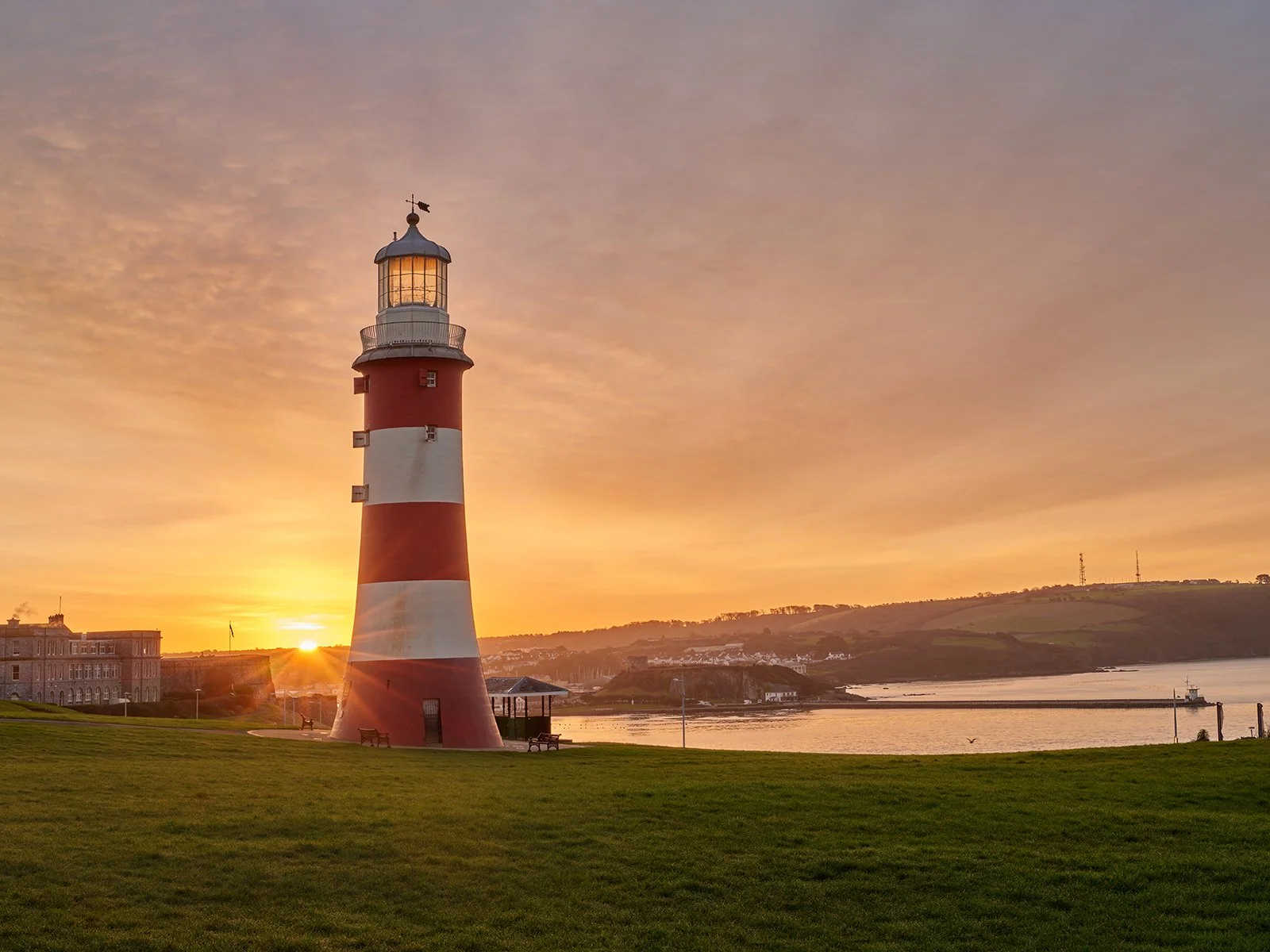
Smeaton’s Tower Sunrise: A Six-Year Wait for a Glimpse of Plymouth Gold
If there were ever a civic referendum to determine the undisputed heavyweight champion of Plymouth icons, Smeaton’s Tower would win by a landslide, probably while looking remarkably dignified in its red-and-white stripes. It is a structure so stubbornly charismatic that even the Beatles, a group not exactly known for being wallflowers, once posed nearby, though they kept a respectful distance, presumably sensing that the lighthouse might effortlessly outshine them
If there were ever a civic referendum to determine the undisputed heavyweight champion of Plymouth icons, Smeaton’s Tower would win by a landslide, probably while looking remarkably dignified in its red-and-white stripes. It is a structure so stubbornly charismatic that even the Beatles, a group not exactly known for being wallflowers, once posed nearby, though they kept a respectful distance, presumably sensing that the lighthouse might effortlessly outshine them.
It is, quite simply, a magnet for anyone with a camera and a spare afternoon. I am, I should confess, no exception to this rule. However, upon auditing my own photographic archives, I was hit by the mildly horrifying realization that it has been a full six years since I last dragged myself out of bed to capture her at sunrise.
In an attempt to rectify this appalling lapse in judgment, I have spent the better part of the winter peering through rain-streaked windows, waiting for a break in the relentless Devon deluge. And then came Tuesday, the 17th of February. It was a day that really ought to be registered with some minor government department, for between the hours of 6:00 AM and lunchtime, we were treated to a phenomenon known in more tropical climes as "actual sunshine." It didn’t linger, of course, this is England, after all, but while it lasted, it was nothing short of a miracle.
I spent the pre-dawn hours in a state of terminal giddiness. I was up, dressed, and vibrating with anticipation long before the first smudge of light appeared on the horizon. There is a specific, quiet magic to watching the world stir. No matter how many creaks my joints develop, at the current rate of decay, my knees should be expecting a congratulatory telegram from the King any day now, I still possess the wide-eyed thrill of a child who has managed to sneak downstairs early on Christmas morning.
To see the sun finally make a guest appearance after weeks of grey misery was better, frankly, than finding Santa’s muddy boot prints on the hearth. It was a glorious, fleeting reminder that the world is, occasionally, a very fine place to look at.

A Fool's Guide to Photography
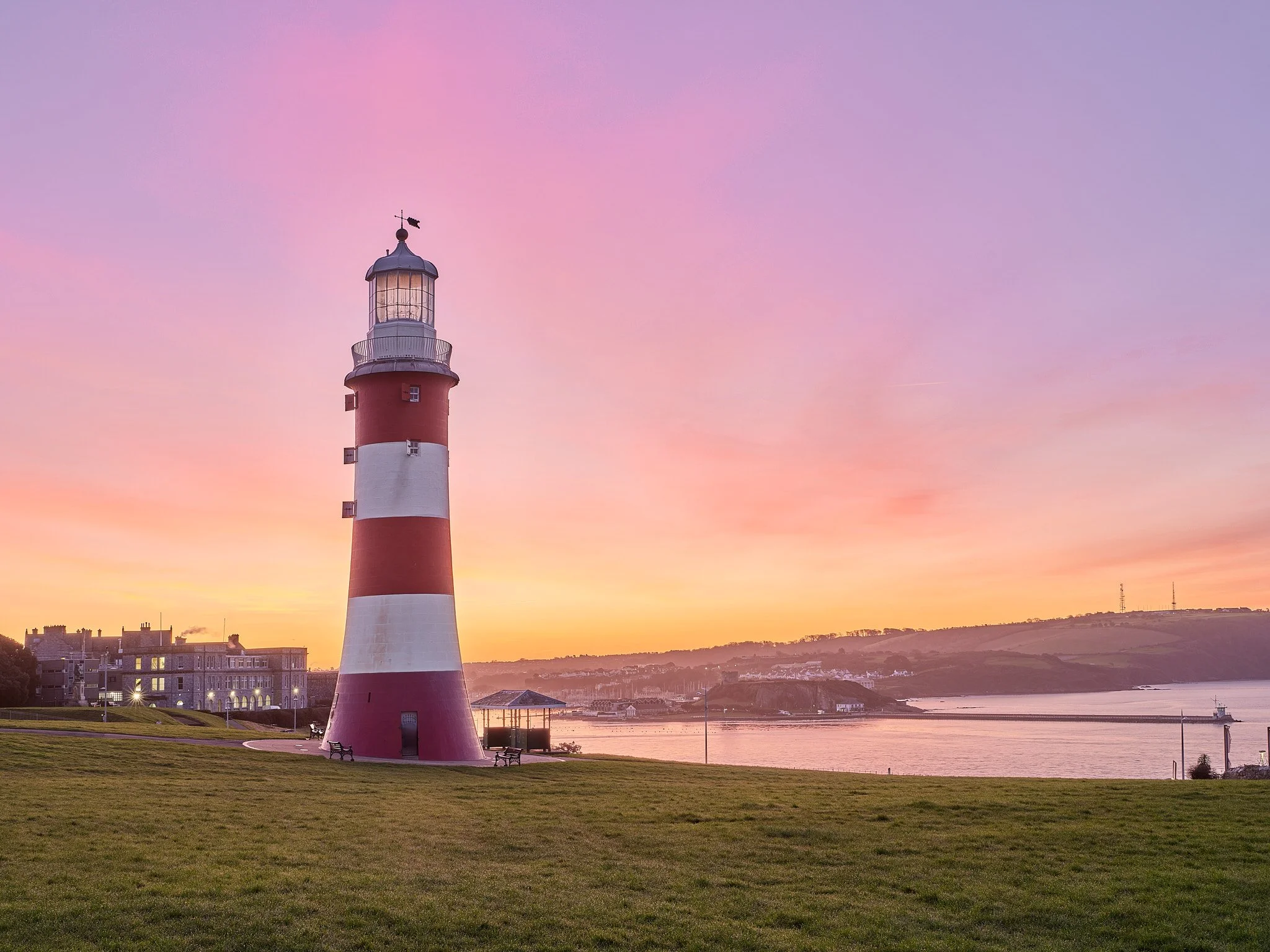
I won’t lie, there's a small, resentful part of me that always hopes the whole thing will be a bust. That the sky will simply turn to a dull, uninspired grey, just so I can feel smugly justified in my lack of effort. But alas, on this particular evening, my cynicism was thoroughly misplaced. The sky erupted into a riot of crimson and gold, a spectacle so breathtaking it almost made me forget my own grumbling nature. I just stood there, watching the hues deepen, and I couldn't help but wonder if somewhere down in Australia or New Zealand, a fellow shutterbug was cursing their alarm clock for not having woken them up sooner.
If there is a more futile undertaking than attempting to engage me in conversation around 6:30 in the evening, I have yet to find it. You might as well try to convince a cat to fetch your slippers or get a straight answer out of a politician. "Why?" you ask, with the innocent enthusiasm of a person who has never been left staring at a blank wall while the sky explodes into colour.
Well, it's at this precise moment that the sun, a theatrical diva of the highest order, is getting ready to bid a flamboyant farewell to our corner of the globe and stir our southern hemisphere friends from their slumber. It’s a delicate, protracted business, and one that requires my full, undivided attention. My brain, already a chaotic jumble of half forgotten to do lists and the collected works of whoever writes the blurbs on social media, simply cannot process additional information. My wife, a saintly woman, can attest to this phenomenon, having spent many an evening talking to what amounts to a flesh and blood scarecrow with a preoccupied gaze.
This celestial prima donna, the sun, has, in the past, been a cruel mistress. I’ve traipsed across Dartmoor tors, boots caked in mud and a tripod digging into my shoulder, only for her to pull a sudden vanishing act, leaving me with nothing but a grey sky and the distinct feeling of being jilted at the altar. So, I’ve learned my lesson. Tonight I headed to a convenient, an easily accessible spot one that requires no more effort than a short stroll from the car and set up my tripod, ready for the show.
And I won’t lie, there's a small, resentful part of me that always hopes the whole thing will be a bust. That the sky will simply turn to a dull, uninspired grey, just so I can feel smugly justified in my lack of effort. But alas, on this particular evening, my cynicism was thoroughly misplaced. The sky erupted into a riot of crimson and gold, a spectacle so breathtaking it almost made me forget my own grumbling nature. I just stood there, watching the hues deepen, and I couldn't help but wonder if somewhere down in Australia or New Zealand, a fellow shutterbug was cursing their alarm clock for not having woken them up sooner.
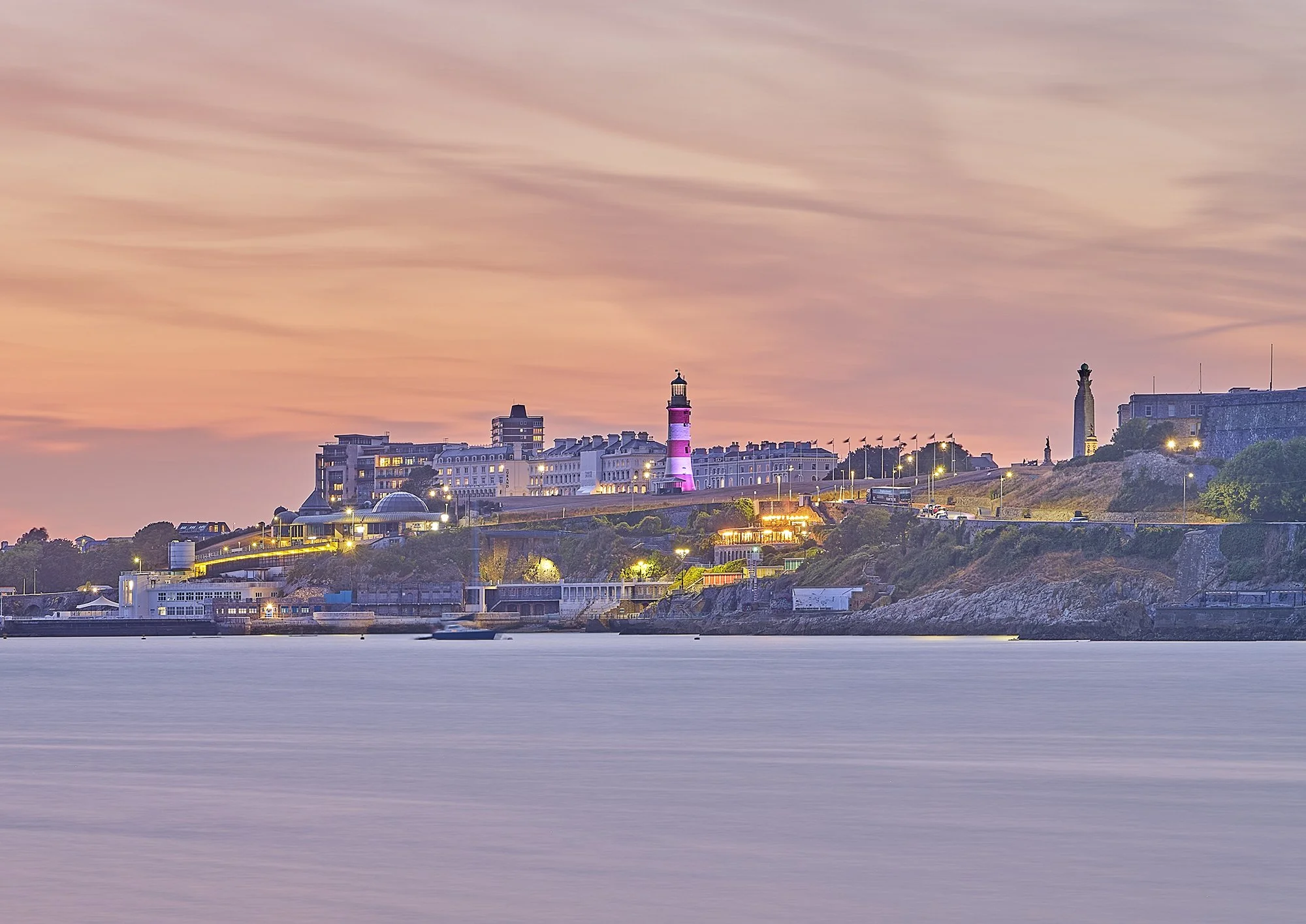
A scenic long exposure photograph of the Plymouth Hoe waterfront at sunset. The sky is a gradient of soft pinks, oranges, and purples. In the middle ground, the iconic red and white striped Smeaton's Tower lighthouse stands out against the landscape. To the left, a cluster of buildings, including the dome of the former Dome restaurant, is visible. To the right, the column of the Royal Citadel is silhouetted against the sky. The foreground shows the calm, reflective waters of Plymouth Sound. The city lights are just beginning to glow, creating a gentle illumination along the shoreline.