How I Saved My Dance Photography Shoot (When Everything Went Wrong)
As it turns out, booking a photo studio for a full eight hours requires a modest degree of forward thinking and meticulous planning, two pillars of human competence that have remained, throughout my life, stubbornly elusive. For reasons I cannot quite fathom, my professional creative career has relied almost entirely on the belief that everything will simply be “alright on the night.” Remarkably, through some sort of cosmic oversight, it usually is.
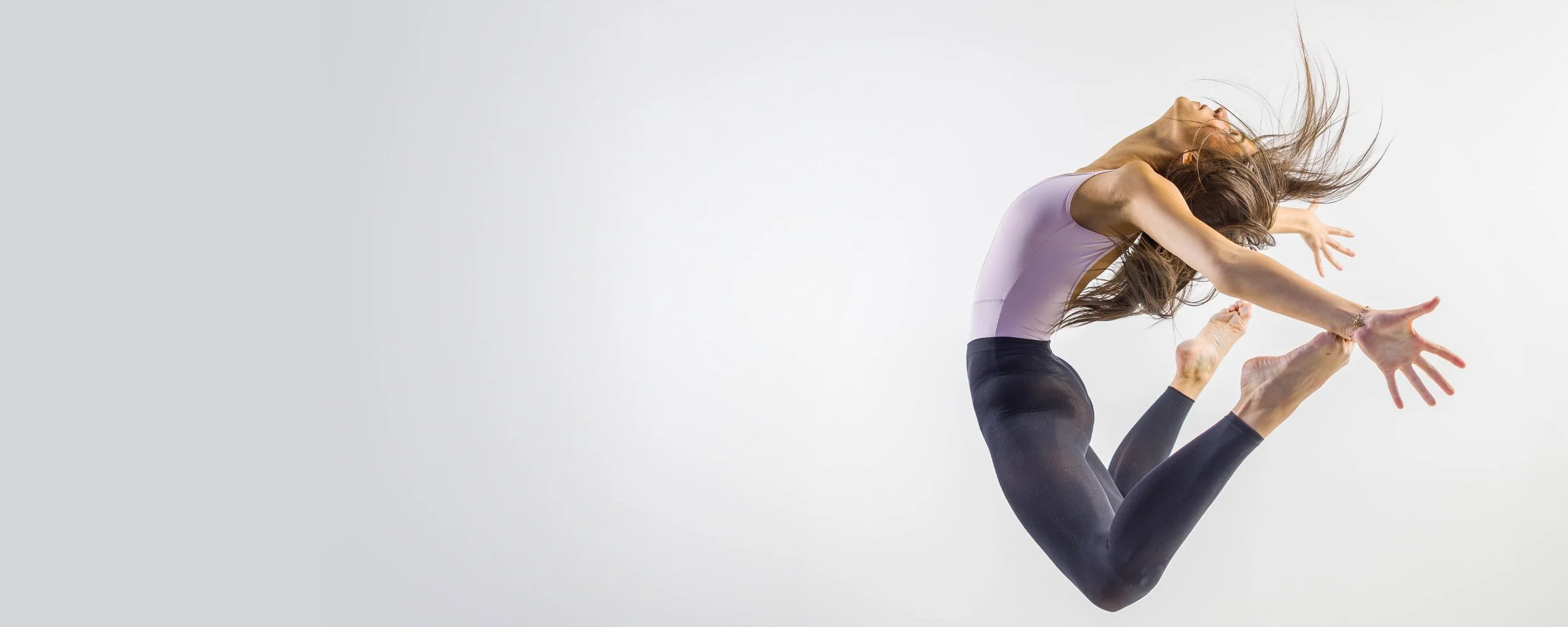
Having earmarked an entire day in my diary to immerse myself in the high octane, gravity defying world of dance photography, I immediately ran into something of a snag.
As it turns out, booking a photo studio for a full eight hours requires a modest degree of forward thinking and meticulous planning, two pillars of human competence that have remained, throughout my life, stubbornly elusive. For reasons I cannot quite fathom, my professional creative career has relied almost entirely on the belief that everything will simply be “alright on the night.” Remarkably, through some sort of cosmic oversight, it usually is.
Fate, however, had clearly taken umbrage at my breezy approach to studio scheduling and decided it was high time I was taught a stern lesson.
Planning a Photoshoot: Conception vs. Reality
Having conceived the initial idea, booked the studio space, and painstakingly designed a promotional poster by hand (a miraculous feat without AI assistance, I assure you), I was ready to launch the campaign and watch client bookings roll in.
It was precisely at this moment that my education in creative humility began.
What started as a mild tickle in the throat rapidly mutated into a full blown, catastrophic case of "man flu." This was not a mere cold; it was the sort of agonizing affliction that leads even the most stout hearted photographer to prepare for an impending meeting with his maker.
Rescuing the Shoot: Collaborating with Local Dance Talent
Against all medical odds, I managed to wriggle free from Death’s icy grip with just days to spare. I promptly dispatched a grovelling message to Laura over at the L&C Collective, begging to know if any of her dancers might take pity on a desperate photographer.
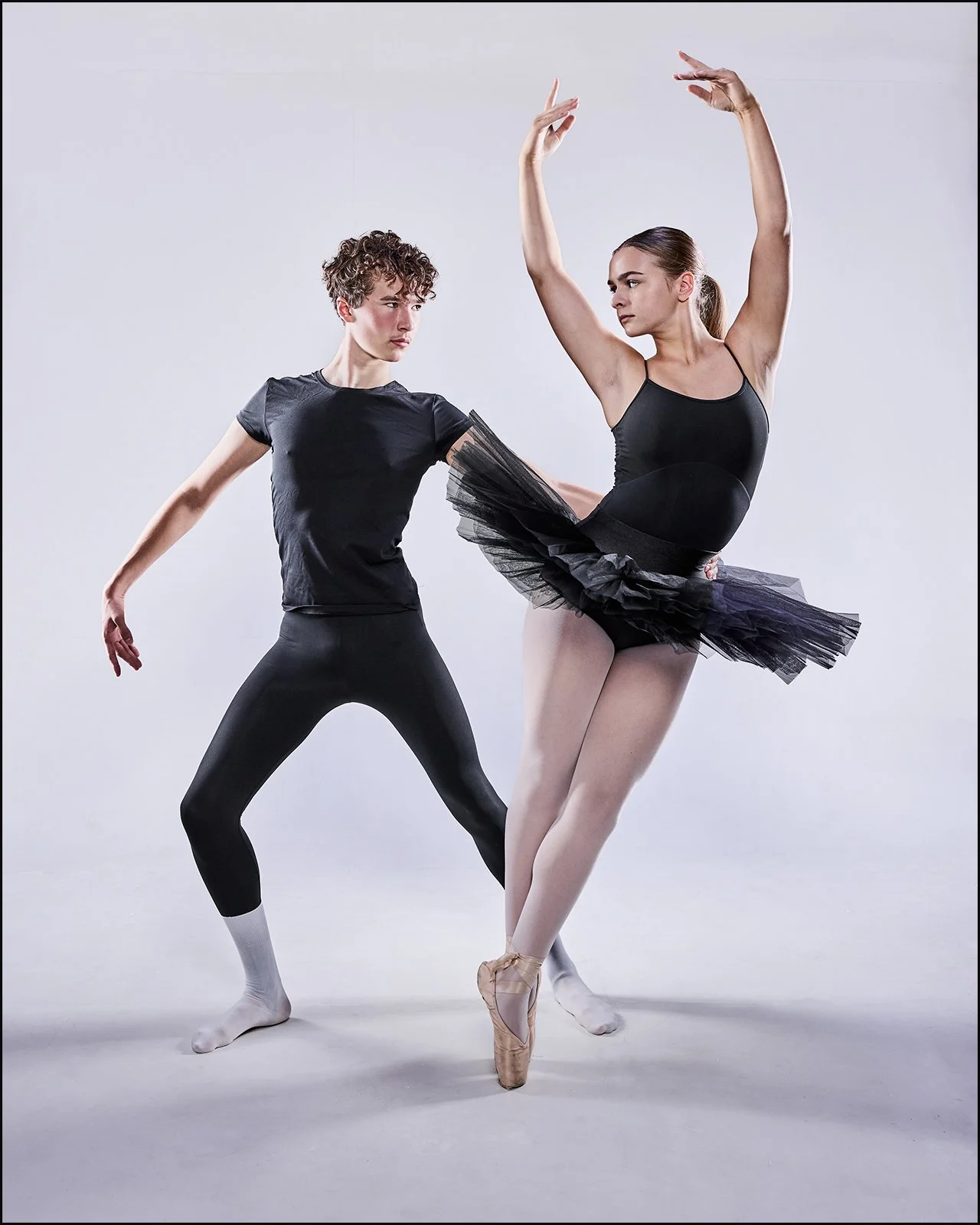
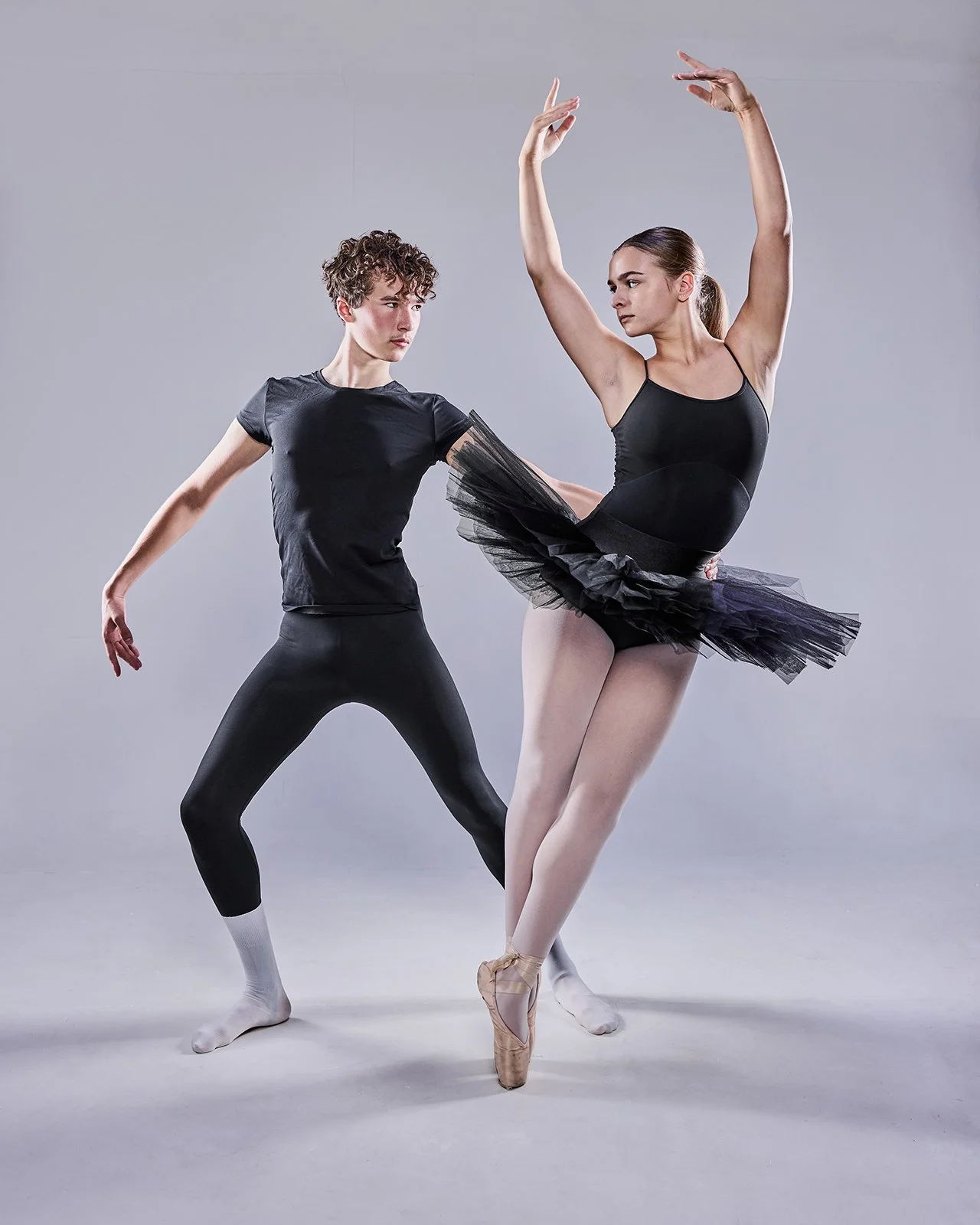
To my overwhelming relief and eternal gratitude, Ellis and Lucy agreed to step into the breach.
Capturing Action & High Speed Dance Photography
And what an absolute joy it was. Working with skilled performers completely changed the dynamic of the shoot.
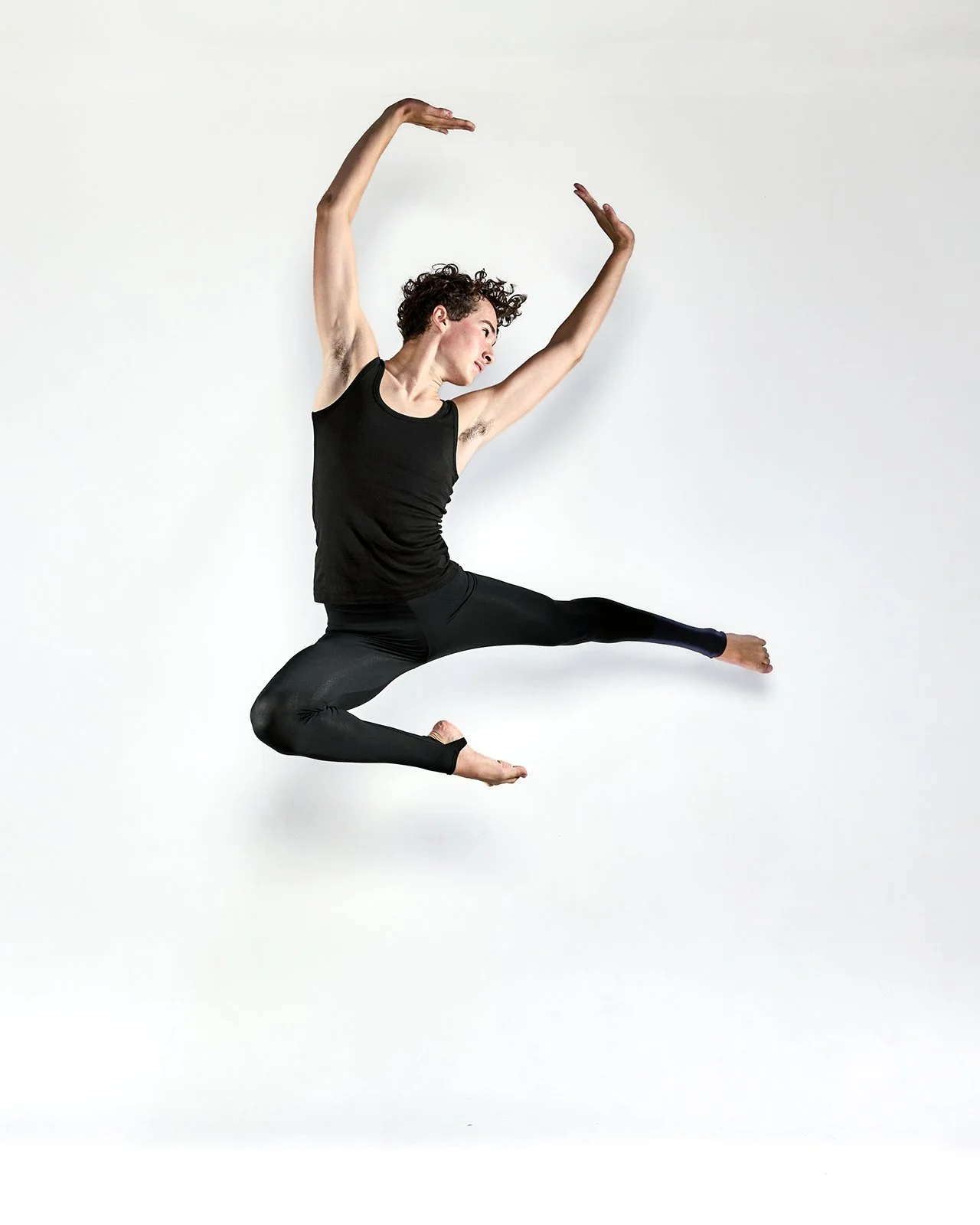
The two of them proceeded to execute a series of spectacular leaps and kicks that appeared to violate several fundamental laws of Newtonian physics:
Freezing Motion: Timing shutter speeds to catch peak elevation mid-leap.
Composition: Framing high energy movement within a controlled studio lighting setup.
Expressive Form: Translating athletic control into striking visual art.
The resulting images truly showcase their extraordinary talent, dedication, and athleticism.
Final Thoughts
A massive thank you to Ellis, Lucy, and Laura for turning a potential scheduling disaster into a fantastic portfolio session. Who knows? Next time, I might even try planning ahead.
A Chaotic, Glorious Month of Stage & Dance Photography
People often ask me whether I prefer theatre photography or dance photography. To which I say: How does one choose between a lovely cup of tea and a brisk walk through a hurricane? They are entirely different beasts.
Photographing live dance is fundamentally an exercise in defying the laws of physics. It’s about freezing a fleeting micro second of kinetic energy, capturing a high leap at the exact moment gravity seems to take a short tea break.
Ah, July. That most treacherous of months when the British calendar conspires to drag innocent, peace loving individuals away from the god given right to a hot dinner and thrust them into the dimly lit, mildly frantic universe of amateur theatre photography.
In the grand and inexplicably chaotic cosmic tapestry of MJC Photography, July is universally recognized as Show Month, a time when sleep becomes an abstract theoretical concept and one’s camera gear begins to feel less like professional equipment and more like a set of heavy iron weights designed to test a human’s mental fortitude.
Act I: The Emotional Rollercoaster of West Side Story
We kicked off this month of stage photography with West Side Story, a production that was, quite frankly, an absolute emotional rollercoaster.
One minute you're marvelling at the choreography through the viewfinder; the next, you're deeply concerned for the vocal cords of a teenager who is giving it their absolute all while wearing a remarkably convincing 1950s leather jacket.
Act II: The Great Culinary Betrayal & Emergency Theatre Shoot
The following week offered up an abundance of drama, though I regret to inform you that the most harrowing scene did not actually take place on stage.
There I was, floating merrily down the highway in the soothing, bumper to bumper bliss of British rush hour traffic. My mind had comfortably uncoupled itself from reality and was happily floating toward a future that involved a magnificent, freshly cooked dinner. Life was good.
Then, the phone rang. It was Laura of LS Drama workshops.
"How far away are you?" she asked.
Now, those five words delivered in a tone that suggests someone has either left the oven on or accidentally declared war on a small European nation, are guaranteed to make an event photographer's stomach drop directly into their socks. All thoughts of a delicious meal instantly vanished, replaced by the icy grip of sudden panic.
You see, in my innocent mind, I wasn't scheduled to photograph the show until Friday night. What I had critically failed to appreciate was that the universe (via the theatre management) had concocted a completely different cast for Thursday night, and Laura wanted both captured for posterity.
The Sprint of a Lifetime
I am reasonably certain it violates several international treaties to make a person sprint through their own home, madly hoovering up camera lenses and tripods, while the glorious, taunting aroma of an unattended home-cooked meal wafts through the hallway.
Consequently, the Thursday night cast were greeted by a theatre photographer who was:
Unusually sweaty,
Decidedly hangry, and
Secretly calculating if it was socially acceptable to eat a granola bar during a dramatic monologue.
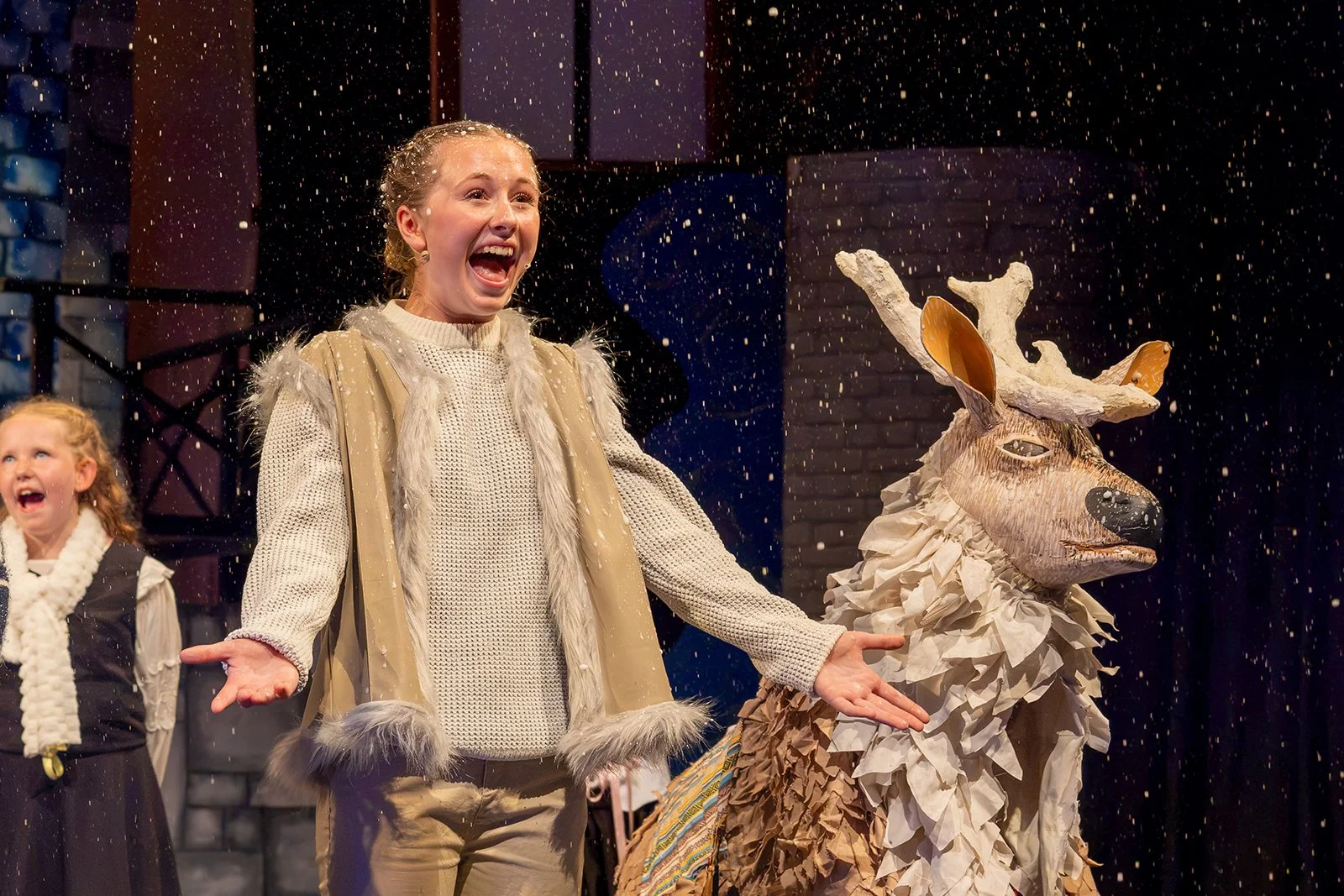
Miraculously, my visible distress did not derail the proceedings. The cast was utterly faultless, and the entire production was a visually stunning triumph, ably abetted by the splendidly dramatic lighting provided by the good folks at MB Productions.
Act III: Freezing Time with Dance Photography
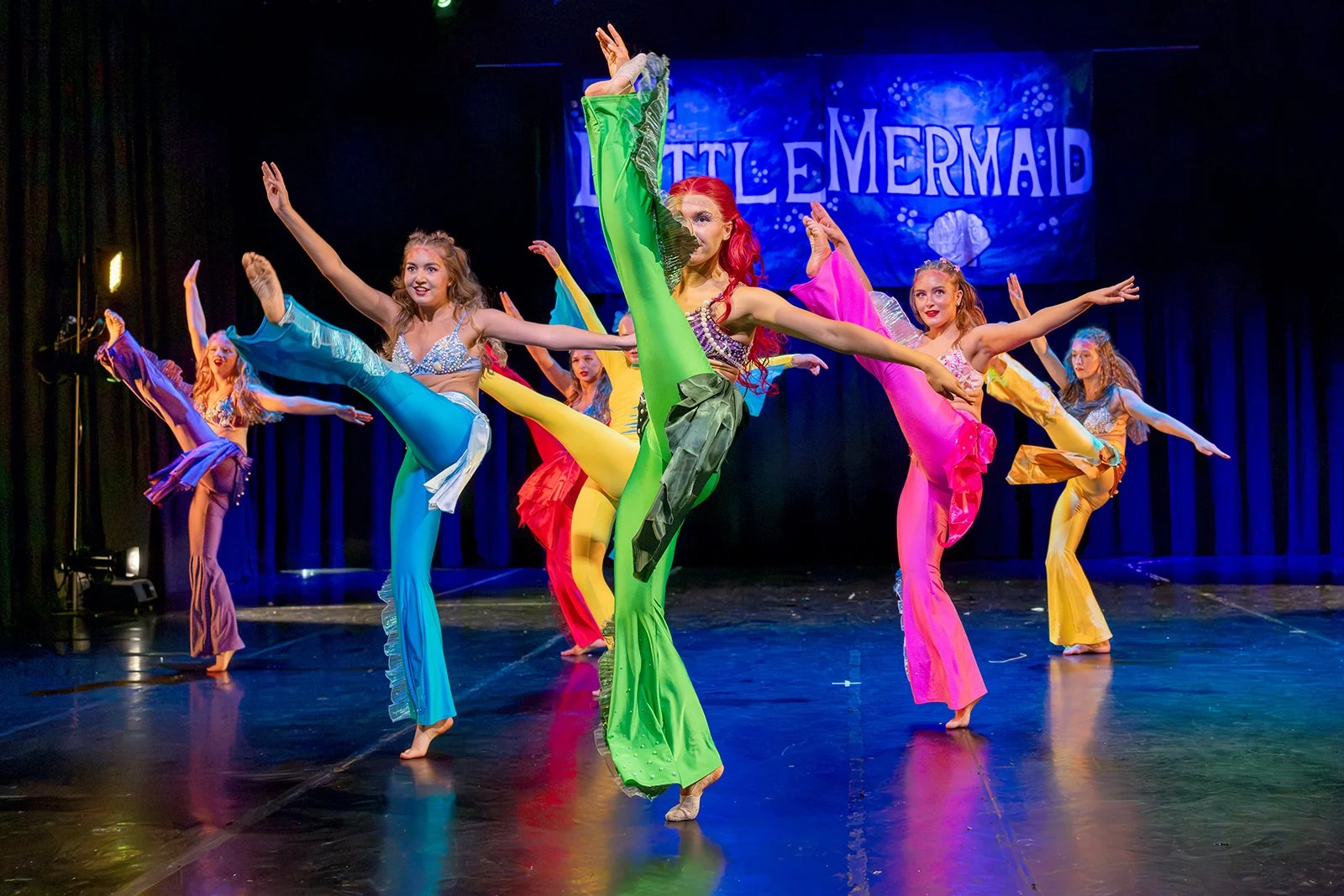
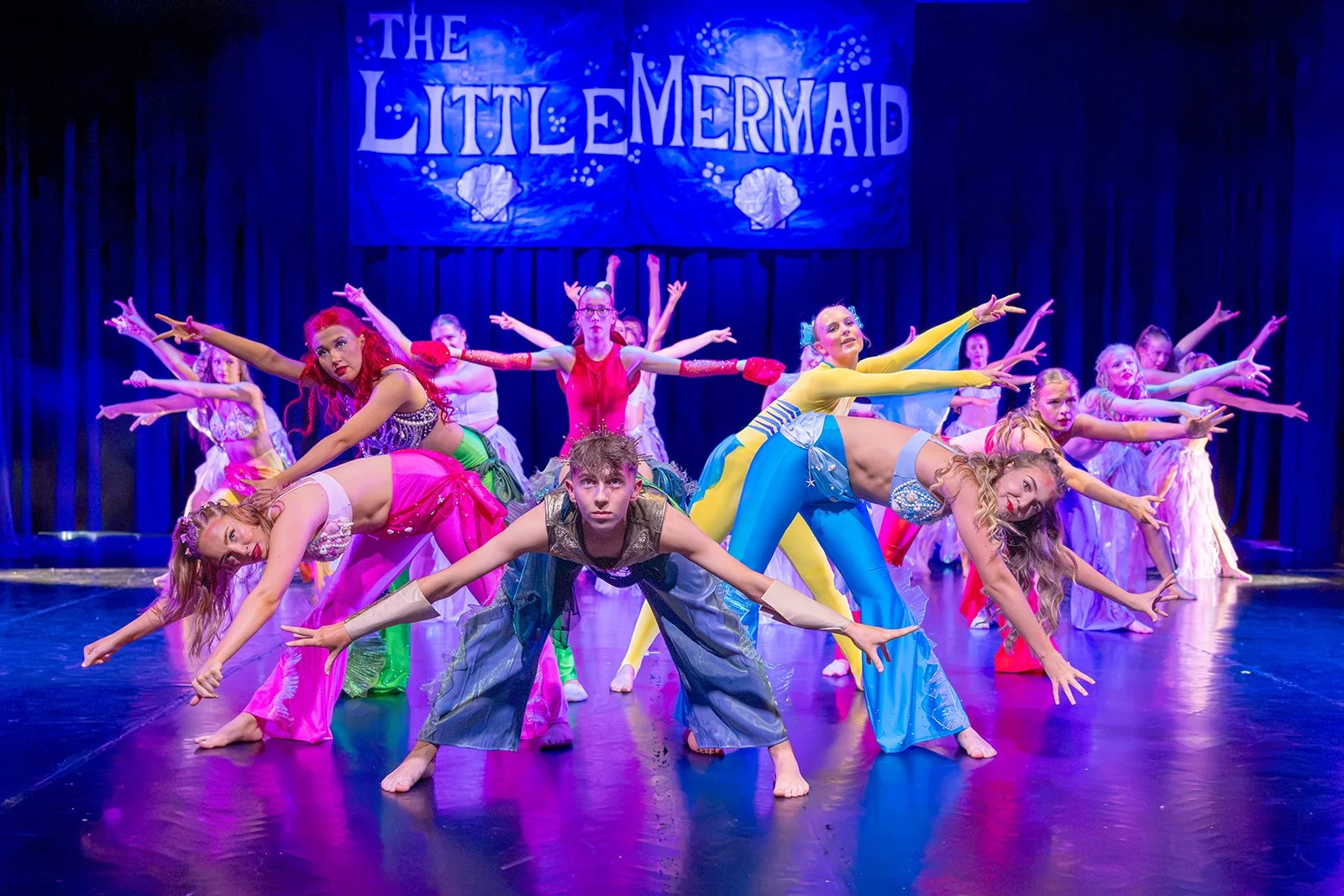
Having survived the pint sized thespians, I was promptly hurled into the breathtakingly athletic world of dance photography courtesy of the Linda Mortimore and Charlotte Smith School of Dance.
People often ask me whether I prefer theatre photography or dance photography. To which I say: How does one choose between a lovely cup of tea and a brisk walk through a hurricane? They are entirely different beasts.
Photographing live dance is fundamentally an exercise in defying the laws of physics. It’s about freezing a fleeting micro second of kinetic energy, capturing a high leap at the exact moment gravity seems to take a short tea break.
Defying Camera Settings & Stage Lighting
Now, while MB Productions once again provided stage lighting that was rich, dramatic, and intensely atmospheric, it was also the sort of low light environment that makes a camera sensor weep quietly in the dark. In order to catch every flying kick and high speed spin without turning the performers into blurry streaks of colour, I had to dial my camera settings up to ISO levels that would make the chief technicians at NASA tilt their heads in quiet awe.
The Final Bow
When the dust settled and the digital noise cleared, I was genuinely thrilled with the results. It is a rare privilege to document so many remarkably agile, dexterous, and endlessly energetic teenagers doing what they love (even if it does occasionally interrupt my tea time).
So, that was July: sweat, missed meals, and sheer theatrical triumph.
Now then... what on earth is August planning to throw at me?
Looking for Stage or Event Photography?
Whether you need high-speed dance performance photography or full theatre showcoverage, MJC Photography is ready for the action (and hopefully, a full meal beforehand). Get in touch today to book your show

The Physics of the Flash (Or, Why Your Phone Isn't Enough)
Most people think light is just... there. It’s what keeps you from walking into the furniture. But for a professional dance photographer, light is more like a sculptor’s chisel.
If you use the kind of flat, bright light you find in a supermarket or a particularly aggressive dentist’s office, the dancer disappears. They become two-dimensional, like a cardboard cutout. To capture the true art of movement, you need shadows. Shadows are what tell the viewer’s brain that the dancer has muscles, depth, and hasn't just been flattened by a falling piano.
Key Factors in Dance Portrait Lighting:
Directional Drama: Notice the way light falls across a face in a professional portrait. We call this "sculpting with light." By angling the light—much like the way a sunset makes even a compost heap look majestic—we highlight the grace and strength of the dancer.
The "Freeze" Factor: Dancers move fast. Faster than a rumor in a small village. To capture a ballet mid-air jump without it looking like a smudge of beige, you need high-speed lighting. This isn't just a flash; it’s a tiny, controlled explosion of precision.
Atmospheric Sepia and Mood: Sometimes, the best light isn't the brightest. A sepia-toned dance photograph evokes a sense of history and timelessness. It says, "This moment didn't just happen; it mattered."
Why MJC-Photography?
Whether it’s theatrical stage lighting or a controlled studio dance session, the goal is to make the soul of the performance visible. You can have the most talented dancer in the world, but if the lighting is wrong, you're just taking a picture of someone who looks like they’re having a very energetic argument with gravity.
In the world of creative dance photography, we don't just "take" pictures. We wait for the light to agree with the movement. It’s a bit like magic, only with more tripods and fewer frogs.
If you’re looking for high-quality dance portfolios or performance photography in Plymouth, remember: the light matters. Without it, you’re just standing in the dark. And while that’s great for hiding from creditors, it’s terrible for your Instagram.
Book your session today at MJC-Photography.com where we make sure the light always catches your best side.