How I Saved My Dance Photography Shoot (When Everything Went Wrong)
As it turns out, booking a photo studio for a full eight hours requires a modest degree of forward thinking and meticulous planning, two pillars of human competence that have remained, throughout my life, stubbornly elusive. For reasons I cannot quite fathom, my professional creative career has relied almost entirely on the belief that everything will simply be “alright on the night.” Remarkably, through some sort of cosmic oversight, it usually is.
Having earmarked an entire day in my diary to immerse myself in the high octane, gravity defying world of dance photography, I immediately ran into something of a snag.
As it turns out, booking a photo studio for a full eight hours requires a modest degree of forward thinking and meticulous planning, two pillars of human competence that have remained, throughout my life, stubbornly elusive. For reasons I cannot quite fathom, my professional creative career has relied almost entirely on the belief that everything will simply be “alright on the night.” Remarkably, through some sort of cosmic oversight, it usually is.
Fate, however, had clearly taken umbrage at my breezy approach to studio scheduling and decided it was high time I was taught a stern lesson.
Planning a Photoshoot: Conception vs. Reality
Having conceived the initial idea, booked the studio space, and painstakingly designed a promotional poster by hand (a miraculous feat without AI assistance, I assure you), I was ready to launch the campaign and watch client bookings roll in.
It was precisely at this moment that my education in creative humility began.
What started as a mild tickle in the throat rapidly mutated into a full blown, catastrophic case of "man flu." This was not a mere cold; it was the sort of agonizing affliction that leads even the most stout hearted photographer to prepare for an impending meeting with his maker.
Rescuing the Shoot: Collaborating with Local Dance Talent
Against all medical odds, I managed to wriggle free from Death’s icy grip with just days to spare. I promptly dispatched a grovelling message to Laura over at the L&C Collective, begging to know if any of her dancers might take pity on a desperate photographer.
To my overwhelming relief and eternal gratitude, Ellis and Lucy agreed to step into the breach.
Capturing Action & High Speed Dance Photography
And what an absolute joy it was. Working with skilled performers completely changed the dynamic of the shoot.
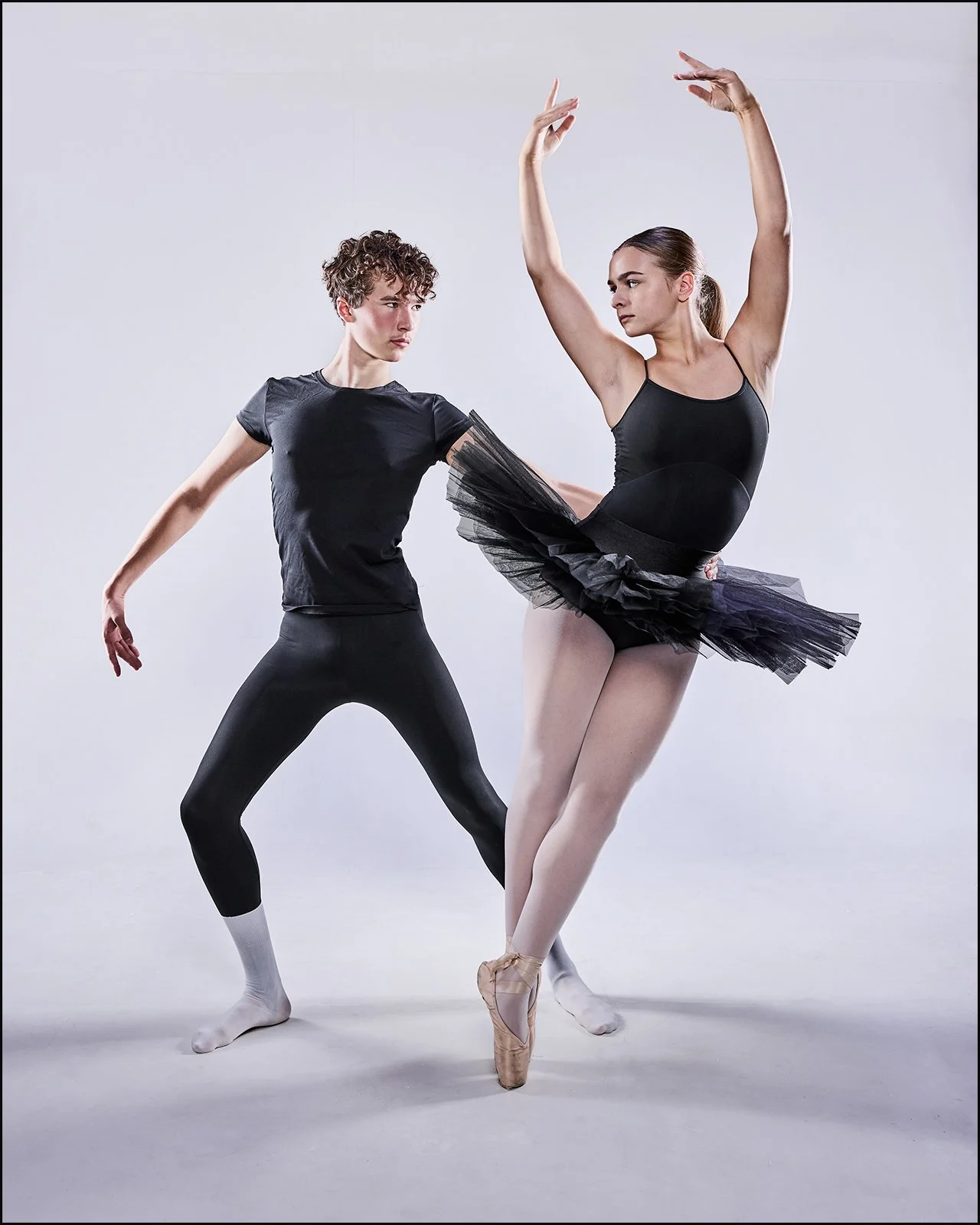
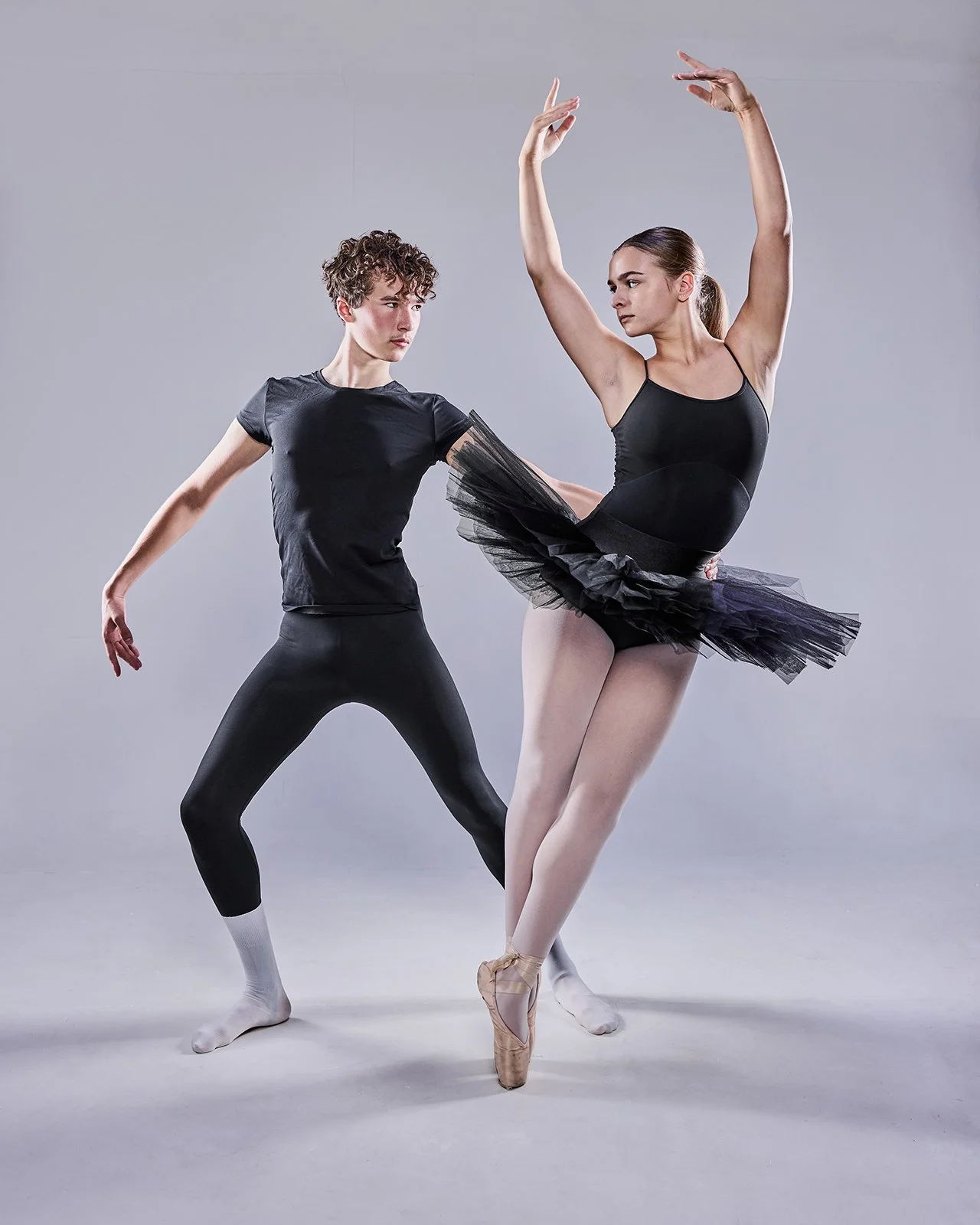
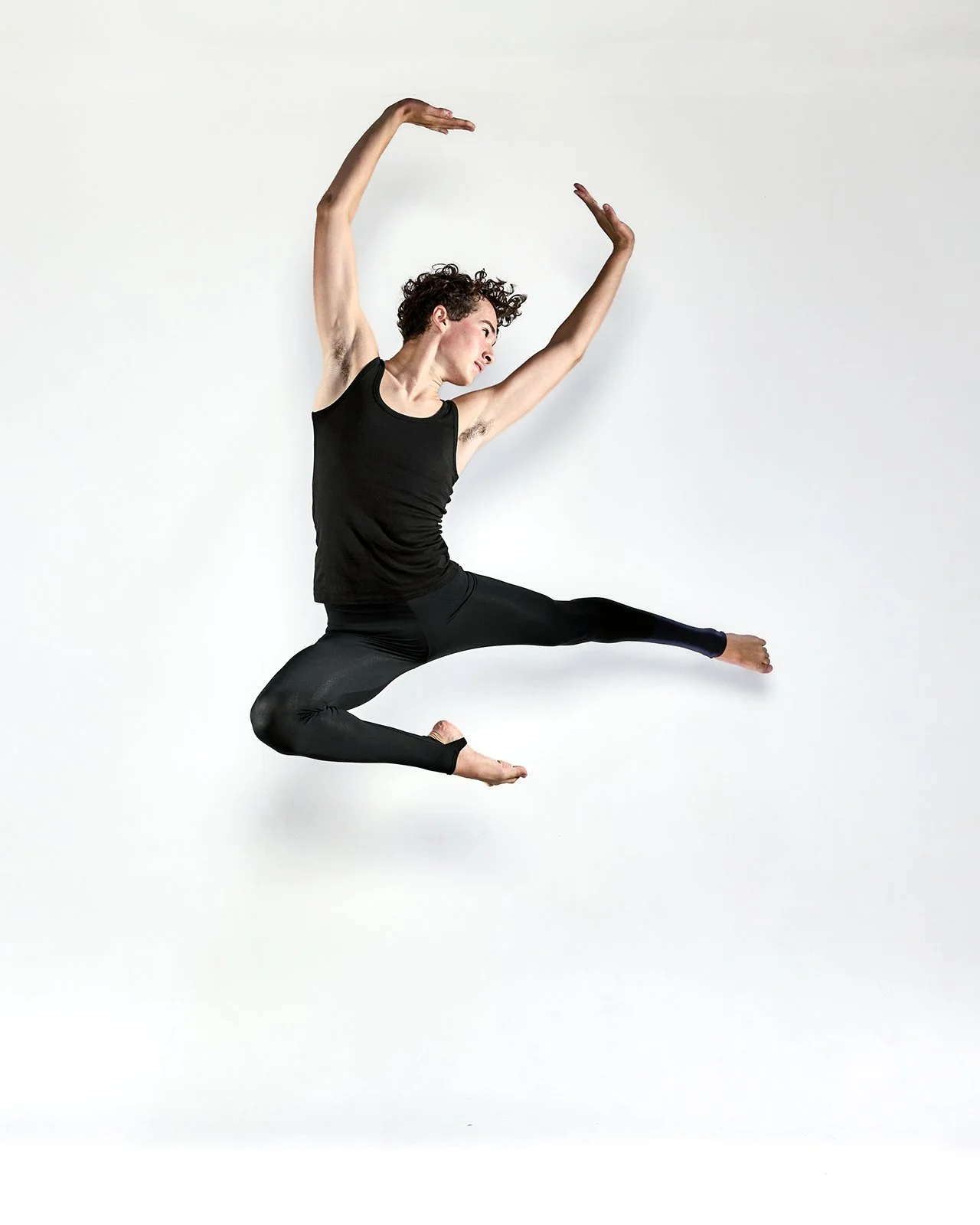
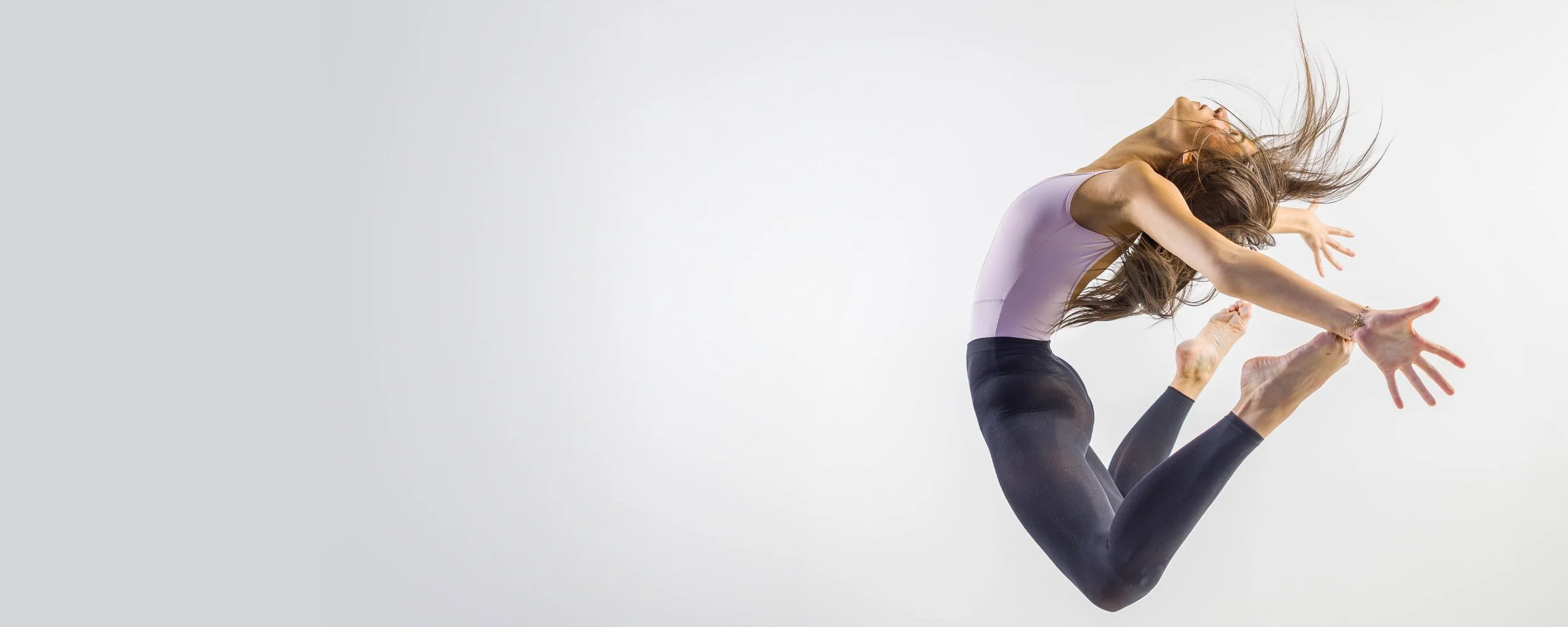
The two of them proceeded to execute a series of spectacular leaps and kicks that appeared to violate several fundamental laws of Newtonian physics:
Freezing Motion: Timing shutter speeds to catch peak elevation mid-leap.
Composition: Framing high energy movement within a controlled studio lighting setup.
Expressive Form: Translating athletic control into striking visual art.
The resulting images truly showcase their extraordinary talent, dedication, and athleticism.
Final Thoughts
A massive thank you to Ellis, Lucy, and Laura for turning a potential scheduling disaster into a fantastic portfolio session. Who knows? Next time, I might even try planning ahead.

The Currency of Joy: A Plymouth Pet Portrait Adventure
Daisy arrived for her pet portrait session and immediately undertook the obligatory grand inspection. In the world of studio dog photography, this involves a thorough, high velocity nose vacuuming of the floorboards to sniff out the historical news of every creature that had preceded her.
Once the administrative sniffing was concluded, we got down to business.
For Daisy, "business" exists in a very specific economic framework. Posing for a professional dog photographer is not done for the love of the arts; it comes at a strict, transactional cost. The currency of the realm was the Treat.
It is an established medical fact, or at least, a deeply held personal conviction, that I suffer from a localized neurological affliction known as an itchy shutter finger. (Please, do not Google that. The internet has a way of turning a whimsical phrase into a terrifying rare tropical disease.)
It is a condition that inflicts a profound restlessness upon the soul if a week passes without a camera lens being pointed at something.
Lately, this affliction has been fed a veritable buffet. My lens has been aimed at an eccentric spectrum of the universe: from tiny, dramatic thespians to towering basketball giants, and from graceful ballerinas to the glorious, unbridled chaos of working spaniels. I have loved every single frame.
In fact, the sheer velocity of the shutter action has resulted in a significant backlog. The blame for this digital traffic jam lies entirely with my own compulsion to waffle. I feel an unnatural urge to write a small essay about every encounter, a defect that costs me more hours than I care to admit to my accountant.
This slow, artisanal approach stands in direct defiance of the modern internet. My social media feeds are permanently clogged with terrifyingly energetic young things shouting from beaches, urging me to "post daily!" while weaponizing complex "algorithmic strategies" to maximize my "organic reach."
The Art of the Deal (With a Dog)
Reach or no reach, I am utterly delighted to share a recent adventure from my Plymouth photography studio featuring what might mathematically be the most joyous canine in Devon.
Meet Daisy.
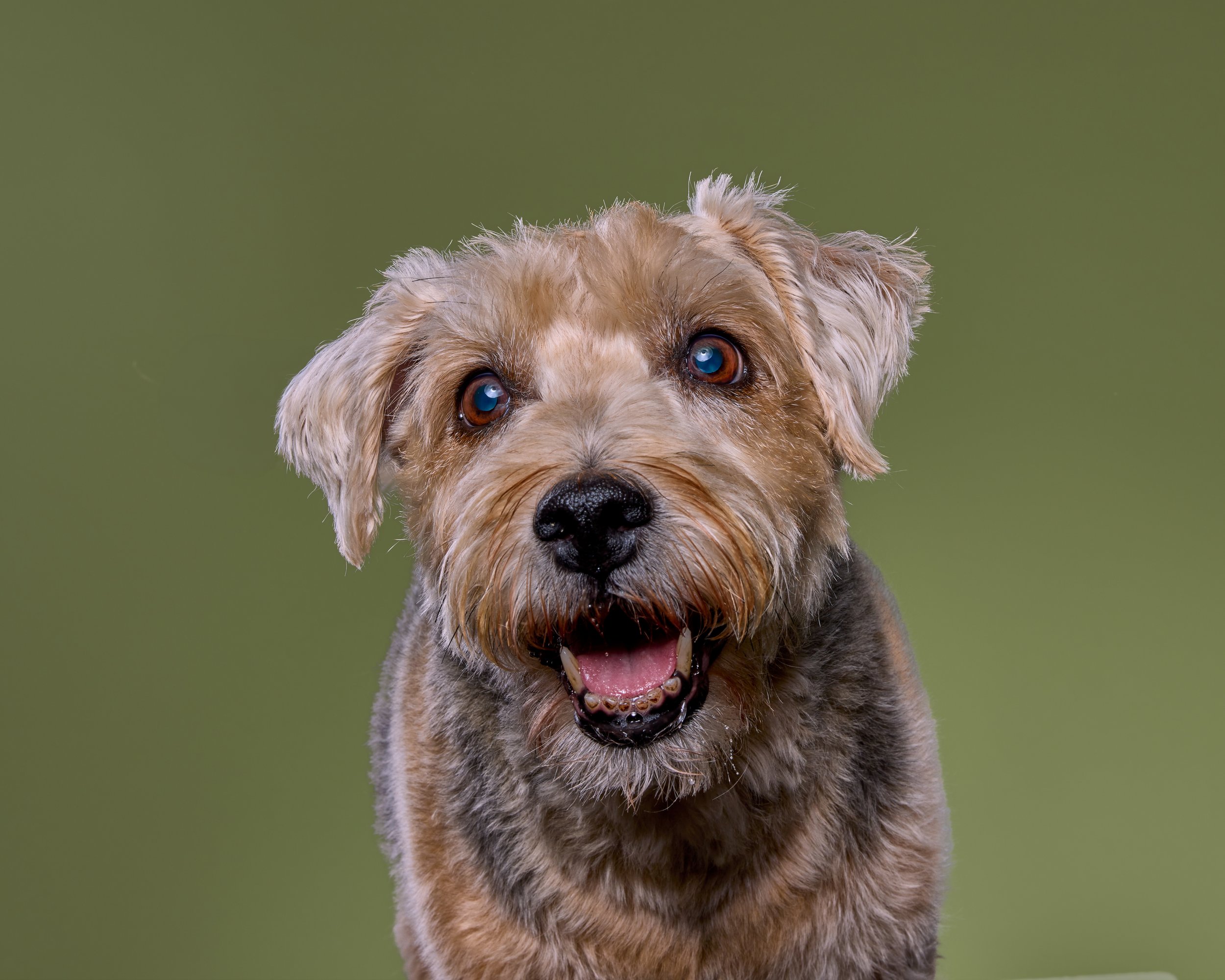
A happy portrait of a dog taken in a professional Plymouth Studio
Daisy arrived for her pet portrait session and immediately undertook the obligatory grand inspection. In the world of studio dog photography, this involves a thorough, high velocity nose vacuuming of the floorboards to sniff out the historical news of every creature that had preceded her.
Once the administrative sniffing was concluded, we got down to business.
For Daisy, "business" exists in a very specific economic framework. Posing for a professional dog photographer is not done for the love of the arts; it comes at a strict, transactional cost. The currency of the realm was the Treat.
Daisy would quite literally perform a complex, rhythmic tap-dance on the spot at the mere prospect of a meaty titbit. It turns out that maintaining an endless supply of high-value liver cake is catastrophic for one's waistline, but it is an absolute miracle worker for creating a happy, expressive photoshoot. (Sounds all too familia!)
The results were spectacular. I captured the perfect portraits, the studio survived the whirlwind, and Daisy left entirely satisfied with her earnings.


The Fine Art of Herding Furry Tornadoes: A Masterclass in Studio Chaos
To say these two have energy is to say the sun is a bit warm. They possessed the kind of vibrating, molecular restlessness usually reserved for a five year old child who has been systematically stuffed full of fizzy pop and Smarties. It was a whirlwind of a dog photography session and frankly, I loved every chaotic second of it.
According to the dictionary, chaos is defined as a state of total confusion, utter disorder, or a complete lack of organization. It is a word used by scientists to describe the universe, and by parents to describe a toddler's bedroom.
However, I am convinced the lexicographers at Oxford had a different muse entirely when they penned that definition: a photoshoot at Trident Studio, Plymouth featuring two specific English Springer Spaniels named Inka and Lottie.
To say these two have energy is to say the sun is a bit warm. They possessed the kind of vibrating, molecular restlessness usually reserved for a five year old child who has been systematically stuffed full of fizzy pop and Smarties. It was a whirlwind of a dog photography session and frankly, I loved every chaotic second of it.
The Grand Inquisitors of the Studio Floor
The moment both Springers crossed the threshold, they did not politely look for the camera. Instead, they immediately undertook a highly urgent, deeply spiritual mission to sniff every single square inch of available floor space.
The Scene: Heads down, bums triumphantly up, and tails wagging with such furious velocity they threatened to alter the local weather patterns.
It was a furry tornado whipping into every corner of the room. Once the perimeter was thoroughly inspected and deemed safe from imaginary intruders, it was time to get down to business. Or at least, our version of it.
Tag Team Wrestling (With Added Fur)
Coaxing Inka and Lottie into position was less like traditional pet photography and something more akin to refereeing a high stakes tag team wrestling match. They took turns on the studio floor, trading places with the chaotic energy of Olympic sprinters.
Thankfully, the match was masterfully refereed by their owners, who utilized a combination of patience, treats, and what I assume was mild sorcery.
In the end, it was the fleeting, beautiful little moments of calm that we captured. Amidst the whirlwind, the camera caught those soulful, bright eyes and magnificent ears in perfect stillness. And let me be completely honest, I was absolutely delighted with the results.
Looking for Pet Photography in Plymouth?
If you have a furry whirlwind of your own and want to capture their unique personality (chaos and all!), get in touch with MJC-Photography. We specialize in turning high energy into timeless portraits.


The Physics of the Flash (Or, Why Your Phone Isn't Enough)
Most people think light is just... there. It’s what keeps you from walking into the furniture. But for a professional dance photographer, light is more like a sculptor’s chisel.
If you use the kind of flat, bright light you find in a supermarket or a particularly aggressive dentist’s office, the dancer disappears. They become two-dimensional, like a cardboard cutout. To capture the true art of movement, you need shadows. Shadows are what tell the viewer’s brain that the dancer has muscles, depth, and hasn't just been flattened by a falling piano.
Key Factors in Dance Portrait Lighting:
Directional Drama: Notice the way light falls across a face in a professional portrait. We call this "sculpting with light." By angling the light—much like the way a sunset makes even a compost heap look majestic—we highlight the grace and strength of the dancer.
The "Freeze" Factor: Dancers move fast. Faster than a rumor in a small village. To capture a ballet mid-air jump without it looking like a smudge of beige, you need high-speed lighting. This isn't just a flash; it’s a tiny, controlled explosion of precision.
Atmospheric Sepia and Mood: Sometimes, the best light isn't the brightest. A sepia-toned dance photograph evokes a sense of history and timelessness. It says, "This moment didn't just happen; it mattered."
Why MJC-Photography?
Whether it’s theatrical stage lighting or a controlled studio dance session, the goal is to make the soul of the performance visible. You can have the most talented dancer in the world, but if the lighting is wrong, you're just taking a picture of someone who looks like they’re having a very energetic argument with gravity.
In the world of creative dance photography, we don't just "take" pictures. We wait for the light to agree with the movement. It’s a bit like magic, only with more tripods and fewer frogs.
If you’re looking for high-quality dance portfolios or performance photography in Plymouth, remember: the light matters. Without it, you’re just standing in the dark. And while that’s great for hiding from creditors, it’s terrible for your Instagram.
Book your session today at MJC-Photography.com where we make sure the light always catches your best side.
The Art of the Pirouette (and Other Things I Don’t Understand)
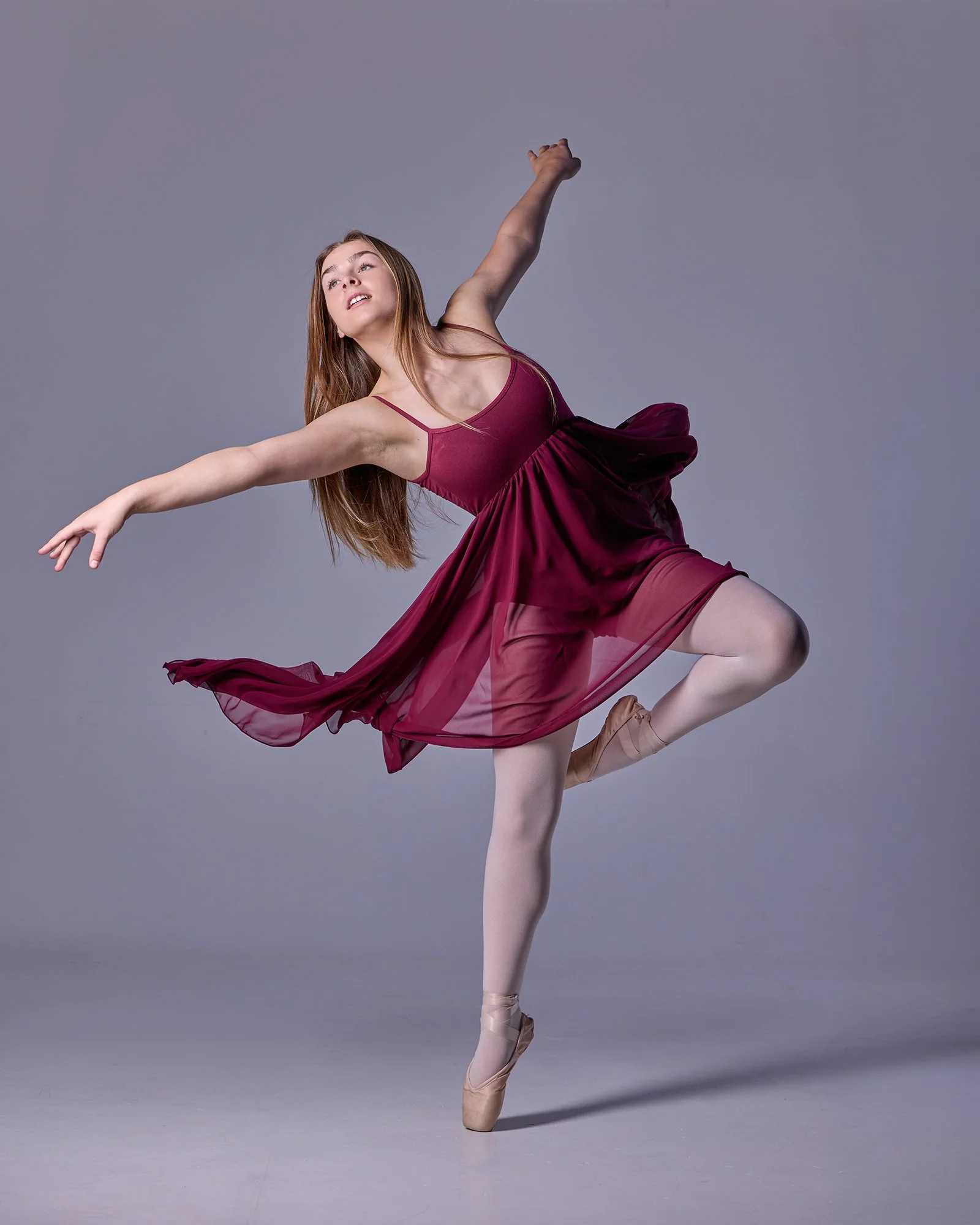
The afternoon largely consisted of me issuing a series of painfully inept, wildly metaphorical instructions, which Lucy then had to translate into something graceful. She handled my bumbling directions with the kind of weary, noble tolerance usually reserved for a Spanish waiter trying to explain a menu to a British tourist who refuses to speak anything but very loud, slow English.
Yesterday, a rather peculiar thing happened in Plymouth: the sun came out. In this corner of the world, such a meteorological anomaly usually triggers a mass migration of the local populace toward the nearest beer garden, where they sit in a state of pink shouldered delirium, clutching pints of cider and wondering what that big yellow ball in the sky is.
I, however, had managed to convince the immensely patient Tania and her remarkably talented daughter, Lucy, to forego the siren call of a liquid lunch. Instead, we spent the afternoon tucked away in my studio, a place that remained stubbornly, almost heroically, immune to the outside warmth.
Now, Lucy is a regular star of the LS DRAMA Workshops and a veteran of the theatrical stage. I’ve had the pleasure of capturing her actor’s headshots before (which, I suspect, are currently making her Spotlight profile look far more professional than anything I ever did at that age). But this particular session was a different beast entirely: we were here to capture the fluid, gravity defying world of dance.
I should confess right now that this shoot was a triumph of collaboration, mostly because I am a man of a certain vintage in possession of two left feet and a complete lack of any rhythmic sensibility. My personal vocabulary of ballet is, to put it mildly, non-existent.
The afternoon largely consisted of me issuing a series of painfully inept, wildly metaphorical instructions, which Lucy then had to translate into something graceful. She handled my bumbling directions with the kind of weary, noble tolerance usually reserved for a Spanish waiter trying to explain a menu to a British tourist who refuses to speak anything but very loud, slow English.
Despite my linguistic failings, the results were, if I may say so, rather splendid. Through a combination of clever lighting, some frantic camera adjustments, and Lucy’s sheer athletic prowess, we managed to capture a gallery of images that I am immensely proud of. It turns out that when you pair a talented dancer with a photographer who is mostly just relieved no one tripped over a power cable, magic happens.
I’m already looking forward to the next time a group of talented performers graces my studio. Though, next time, I might try to learn what a plié is beforehand.
Ready to capture your own moment of grace (or just a really good headshot)?
Whether you’re a dancer, a budding thespian, or just someone who needs a photo that doesn't look like a CCTV still, I’d love to help. Head over to my Studio Portraits page to schedule your session, or drop me a line at mjcplymouth@gmail.com to chat about your next project!
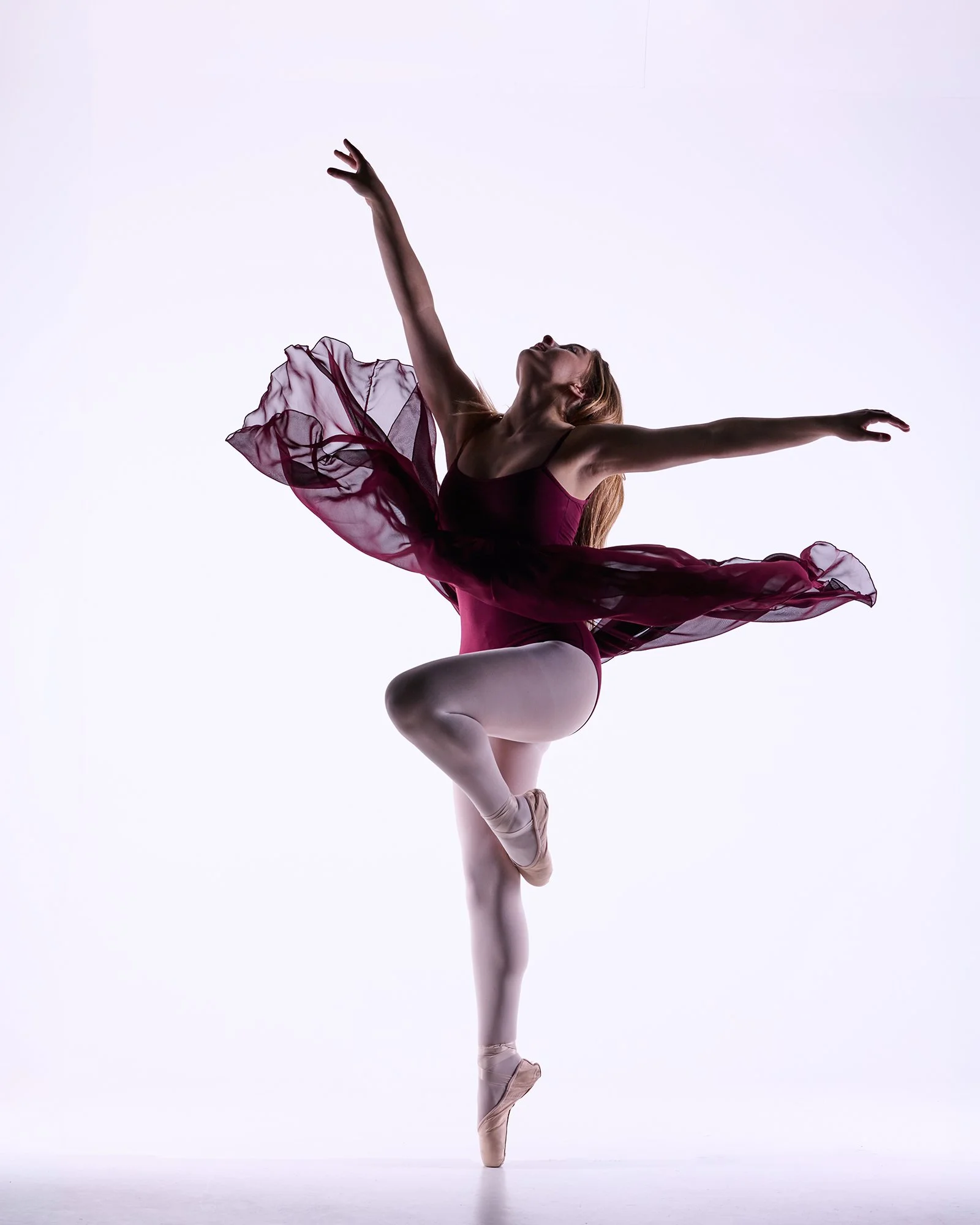
Full-length studio shot of a female dancer balanced on one toe in a classic ballet pose. She is looking upward with arms outstretched, while her sheer maroon skirt billows dramatically around her. The lighting is bright and high-key, emphasizing the silhouette and the fluid motion of the fabric.
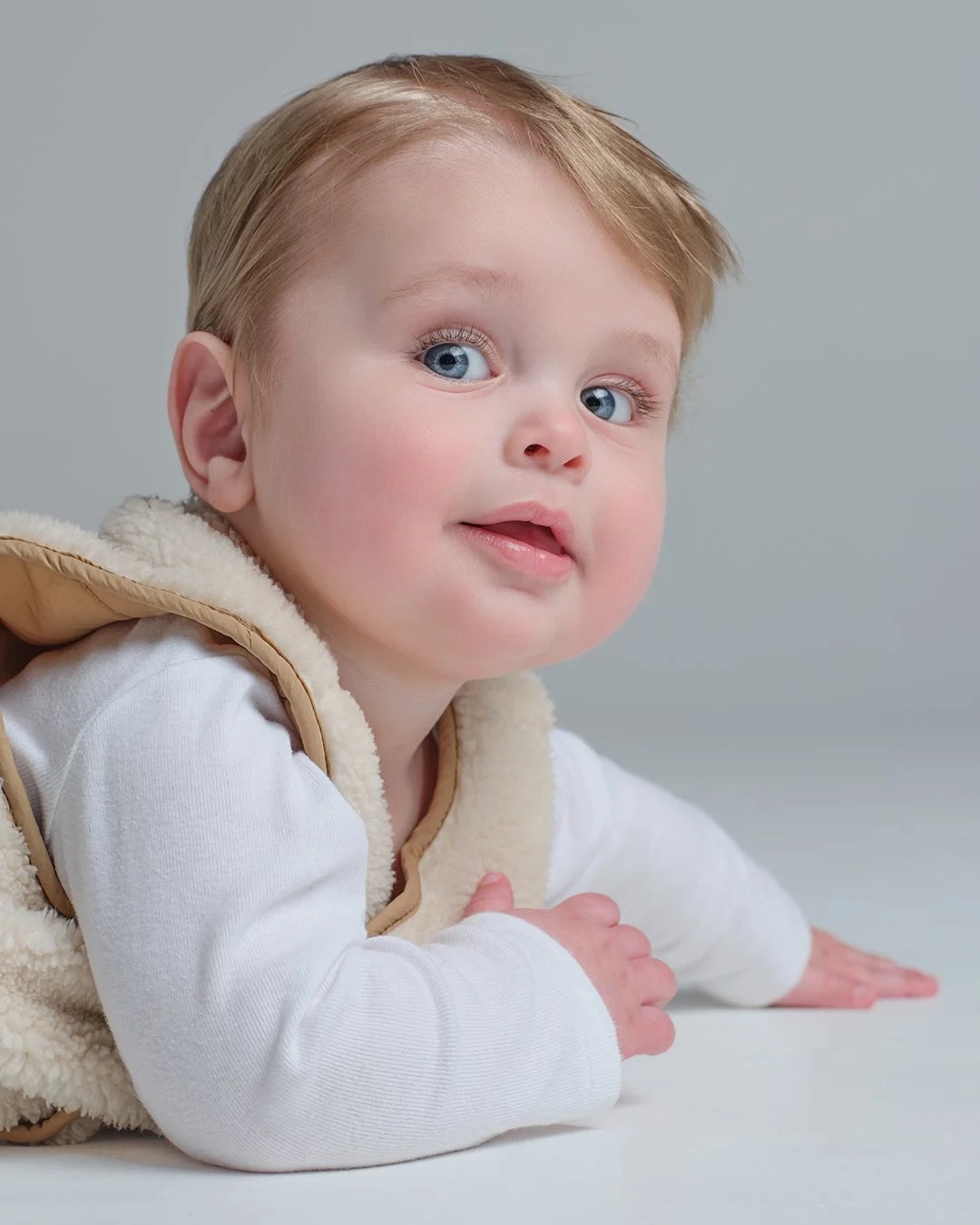
Capturing the Charm of Jude: A South West Family Portrait Session
Being the offspring of the South West’s most accomplished drama coach, I naturally assumed that photographing a baby as charismatic as Jude would be child’s play. I placed our pint-sized star beneath a softbox of such cavernous dimensions it could have doubled as an aircraft hangar and prepared for the magic.
As a professional portrait photographer, I’ve seen it all, but Jude dialled the cuteness up to a level that would have rendered a hardened Victorian schoolmaster misty-eyed. My shutter clicked, the flashes popped, and for a moment, I thought I had mastered the art of the infant portrait.
It is an established maxim of the human experience that one can have too much of a good thing. Quite who "they" are, that dour, faceless committee of fun deniers I cannot say. But I am reasonably certain they never had the pleasure of meeting young Jude during his recent baby photoshoot.
Jude is currently eight months into his earthly residency and possesses the sort of effortless, devastating charm that suggests he is destined to leave a trail of broken hearts from here to the Cotswolds. While we are on the subject of biological unfairness, we must discuss his hair. It is a mane of such implausible, swishing voluptuousness that I found myself gripped by a sudden envy; some fellows are simply dealt a better hand by the follicular gods.
Behind the Scenes at My South West Photography Studio
Being the offspring of the South West’s most accomplished drama coach, I naturally assumed that photographing a baby as charismatic as Jude would be child’s play. I placed our pint-sized star beneath a softbox of such cavernous dimensions it could have doubled as an aircraft hangar and prepared for the magic.
As a professional portrait photographer, I’ve seen it all, but Jude dialled the cuteness up to a level that would have rendered a hardened Victorian schoolmaster misty-eyed. My shutter clicked, the flashes popped, and for a moment, I thought I had mastered the art of the infant portrait.
The Challenge of Family Photography
However, pride goeth before a fall. Having secured a "bag" of winning solo shots, I decided to raise the stakes by introducing Mum into the frame. This, it turned out, was my Waterloo.
It appears that a happy, beaming eight month old is far more interested in the familiar, radiant face of his mother than in some sweating chap pointing a heavy glass and metal contraption at his nose. To capture that perfect mother and baby smile required a level of physical exertion I hadn't prepared for. I found myself scooting across the studio floor with the frantic grace of a startled crab, desperately seeking an angle to preserve these fleeting moments of domestic bliss.
If capturing such joy is indeed a "good thing," then I must respectfully disagree with the faceless overlords: I don’t think I could ever possibly have enough of it.
Ready to Capture Your Family’s Story?
Those "fleeting moments" pass by in the blink of an eye, especially those implausible hairstyles and gummy smiles. Whether you are looking for a relaxed baby photoshoot or a natural family portrait session in the South West, I would love to help you tell your story (even if it involves me scurrying across the floor like a crab to get the shot).
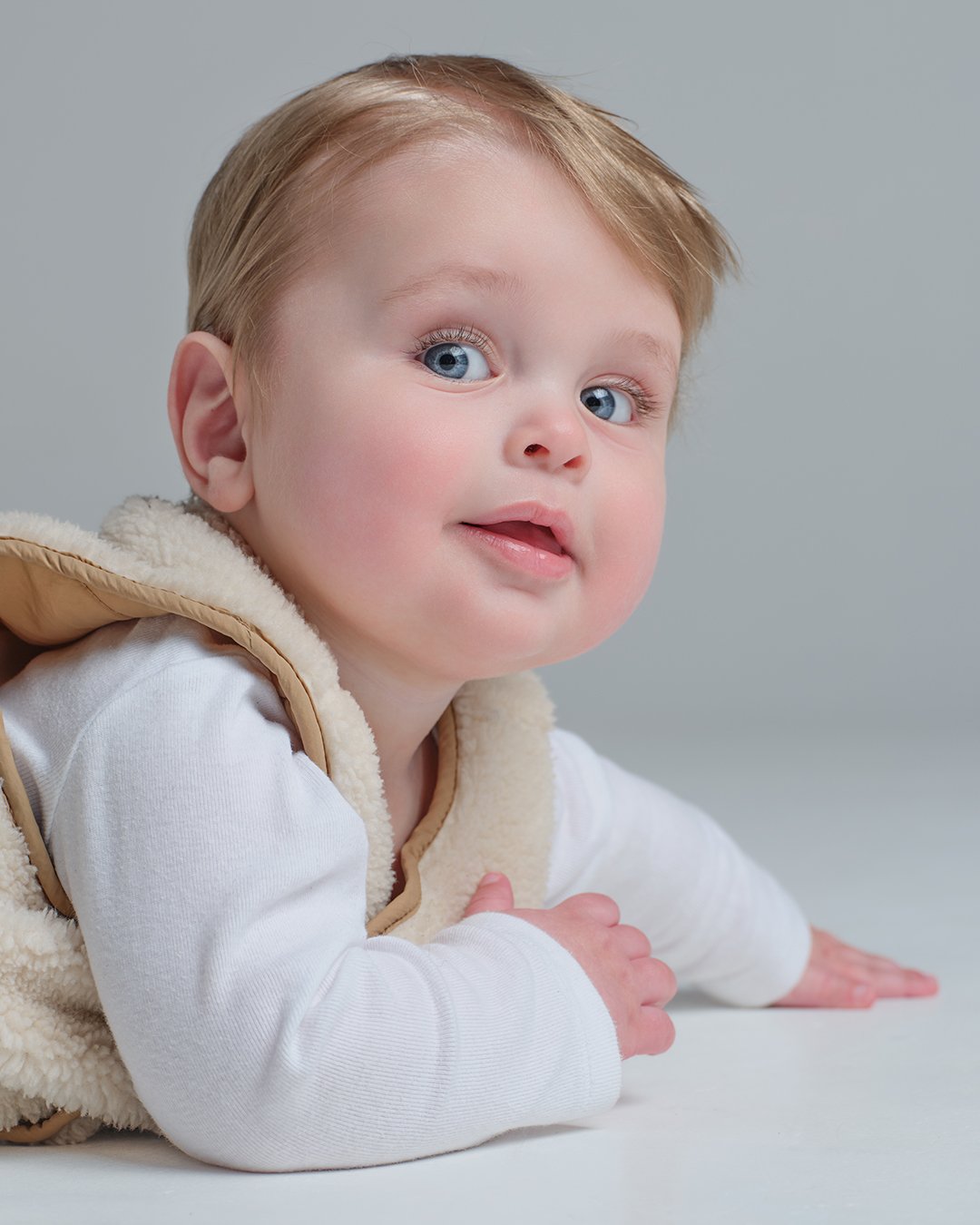
A curious toddler with blue eyes and blonde hair wears a white long sleeve shirt and a tan sherpa vest, posing on their stomach against a neutral studio background.
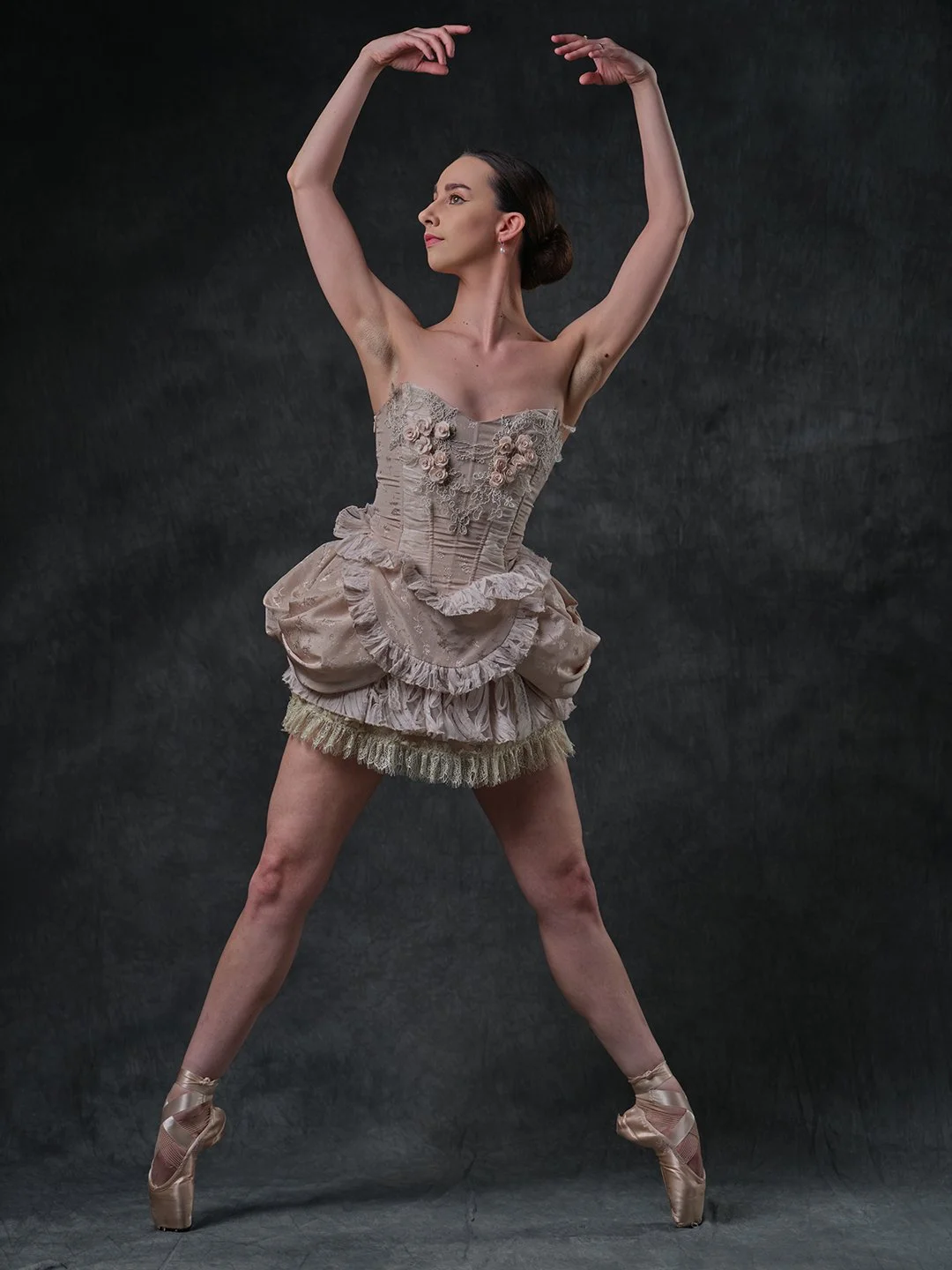
The Indignity of Editing and the Joy of Staying Dry
Photographing dancers is a precarious business, mostly because one tends to become so mesmerized by the sheer, improbable elegance of the human form in motion that one forgets to actually, you know, take the picture. It is a genuine occupational hazard.
Interestingly, despite the leaps and bounds, my inner portrait artist seems to have taken the wheel. My personal favourite from the session is a stark, black-and-white headshot. It captures a quiet intensity that all the movement in the world can’t quite replicate.
There is something inherently noble about the landscape photographer, standing knee-deep in a freezing bog at four in the morning, waiting for a sunrise that, nine times out of ten, is obscured by a sky the colour of dirty dishwater. I have spent a significant portion of my life in such pursuits. However, since opening my new residency at Trident Studio, I have discovered a profound, almost unseemly sense of smugness that comes from being indoors.
While the British weather outside has been performing its best impression of the Old Testament, mostly "The Great Flood" portion, I have been safely ensconced in the warm, dry embrace of the studio. It is a revelation. Over the last few weeks, my shutter button has been pressed with the sort of frantic frequency usually reserved for a teenager in a particularly juicy group chat.
Portrait Photography: Making Stars and Facing Backlogs
The primary cause of this mechanical exhaustion has been a delightful parade of talented young actors. We’ve been crafting the kind of professional headshots that I hope will soon be staring down from billboards or at least convincing a casting director that this person is precisely what their next period drama is missing.
I’ve taken to muttering the phrase "MJC, Photographer to the Stars!" under my breath. It has a certain melodic quality to it, don’t you think?
The downside of all this "stardom," of course, is the editing. I am currently staring down a backlog of post-processing that would make a Hollywood production office weep with exhaustion. Every hour spent in the glow of the studio lights results in several more spent in the much less glamorous glow of a computer monitor, meticulously adjusting the stray hairs of future Oscar winners.
The Art of Motion: Dancing with Erica Mulkern
Despite the looming mountain of digital files, I couldn't resist a "busman's holiday" this past Friday. Long before this business venture began, I had booked a session with the breathtakingly talented Erica Mulkern.
Photographing dancers is a precarious business, mostly because one tends to become so mesmerized by the sheer, improbable elegance of the human form in motion that one forgets to actually, you know, take the picture. It is a genuine occupational hazard.
Interestingly, despite the leaps and bounds, my inner portrait artist seems to have taken the wheel. My personal favourite from the session is a stark, black-and-white headshot. It captures a quiet intensity that all the movement in the world can’t quite replicate.
Ready for Your Close-Up?
But enough of this. The editing suite calls, and it is a jealous mistress.
If you are looking for high-quality acting headshots or creative portrait photography that might just catch the eye of the next big casting director, and if you’d like to personally contribute to my mounting workload, I’d love to hear from you.
You can reach out right here or visit me over at mjc-photography.com. I promise to stay indoors for the duration of our session.
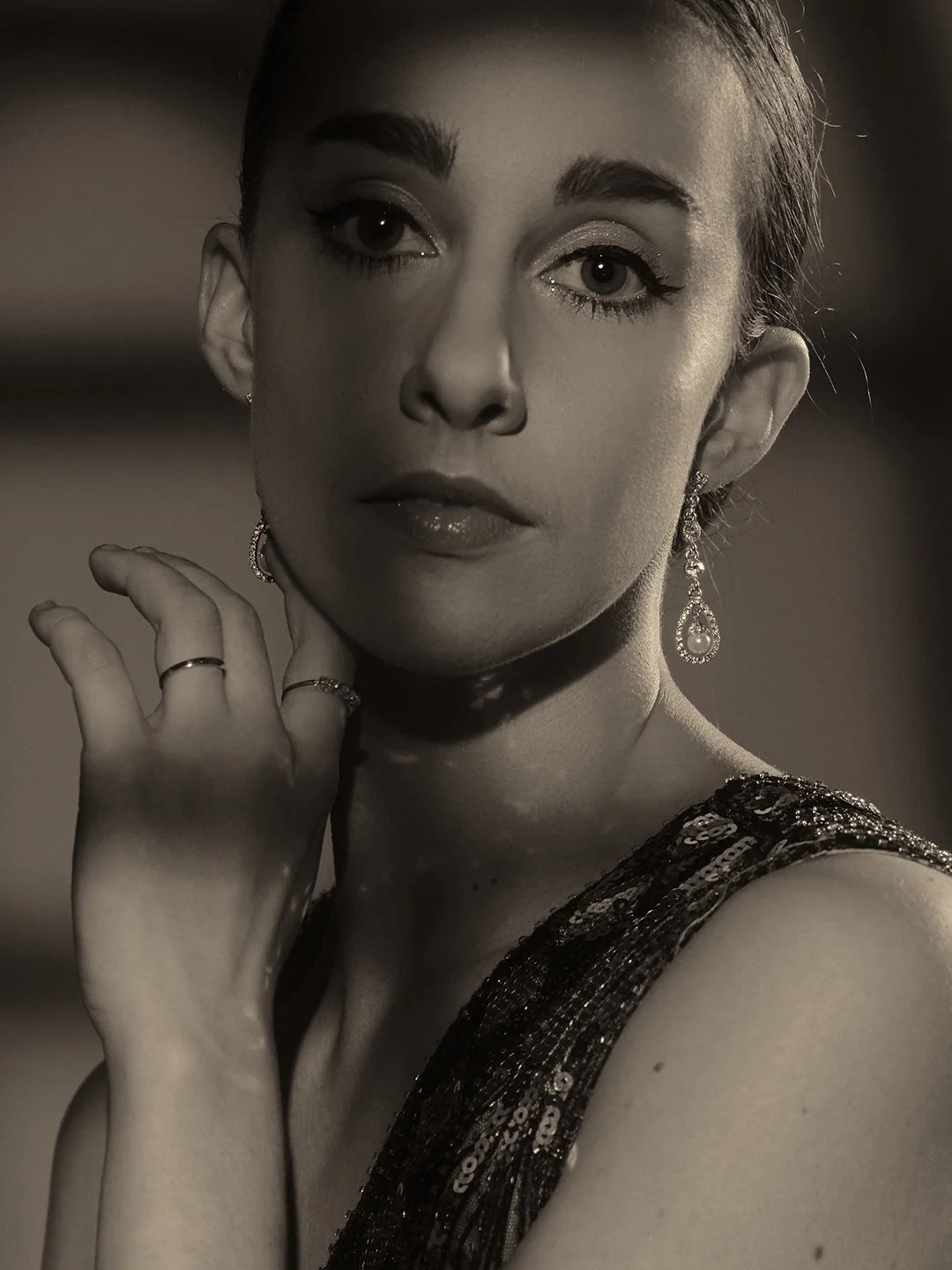
A close up, black and white portrait of a woman looking directly at the camera with a serene expression. She is wearing a dark, sequined dress and elegant drop earrings. Her hand is delicately raised to her neck, showing two rings on her fingers. The lighting is dramatic, with soft shadows and light patterns across her face and neck.
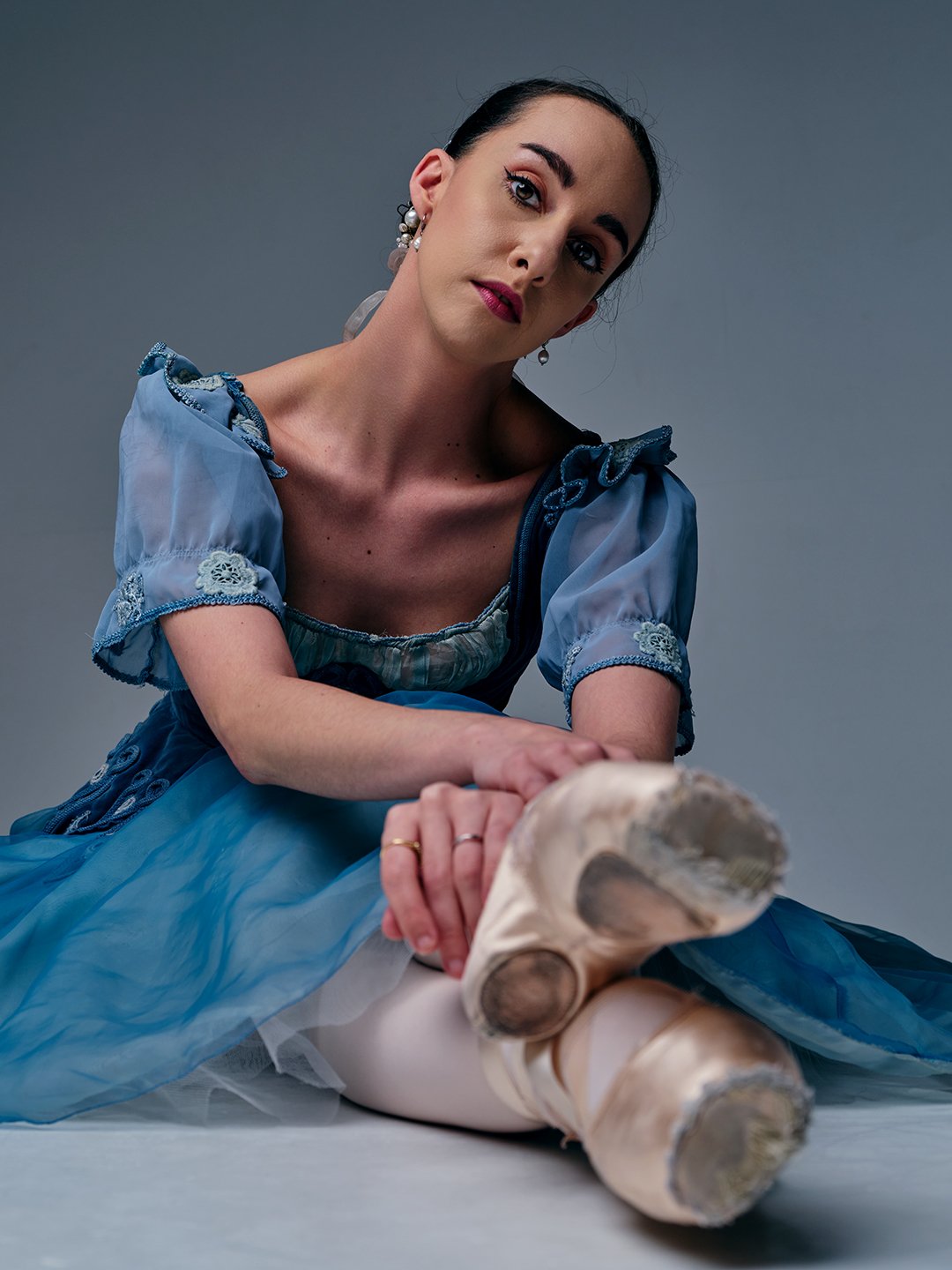
A professional studio portrait of dancer Erica Mulkern seated on the floor, wearing a delicate blue ballet costume with puffed sleeves. Her ballet pointe shoes are positioned prominently in the foreground, showing signs of wear, while she looks toward the camera with a focused expression.

Professional Studio Headshots: Why Lighting is Your Secret Weapon.
If you’ve ever spent an afternoon browsing the digital headshot galleries of LinkedIn or Spotlight, you will have encountered a peculiar biological phenomenon: the "Crop and Pray" portrait.
I’m Matt, the man behind the lens at MJC-Photography, and I’m here to help you navigate the transition from "person who looks startled by a flash" to "person who looks like they’re about to be cast in a prestige drama or promoted to CEO."
The Laboratory of Light
Stepping into my studio is a bit like entering a high tech laboratory where the primary experiment is you. Out in the real world, the sun is a fickle beast, it’s either hiding behind a cloud, leaving you with the complexion of an unbaked biscuit, or it’s blinding you until you squint like a subterranean mole.
In the studio, however, light is my loyal servant. Through an arrangement of "softboxes" and "reflectors" terms that sound like they belong in a NASA briefing, I can sculpt a jawline where previously there was only a vague suggestion of one. Whether you need the crisp, authoritative "Power Gray" of a corporate executive or the moody, cinematic shadows required for a professional acting headshot, I have the dials to make it happen.
The Young Actor’s Dilemma
I have a particular soft spot for the young actors who come through my doors. For them, a headshot isn't just a profile picture; it’s a golden ticket. Casting directors spend approximately three seconds looking at a thumbnail before deciding if you’re the next "Brooding Lead" or "Quirky Best Friend."
The challenge for a young performer is looking like themselves, but on their absolute best day. Left to their own devices, many drama students arrive with a look of intense, Shakespearean tragedy or a grin so wide it looks painful.
At MJC-Photography, we work on the "Active Face." We find that middle ground where you aren't just staring at a glass lens, but rather looking through it at your next big role. It’s about capturing a spark of character that says, "I can carry this scene," without looking like you’re trying too hard to be a "Serious Artist."
Engineering the "Natural" Look
The great irony of my job is that looking "relaxed" is actually a feat of minor structural engineering.
Whether you’re a 19 year old Thespian or a 50 year old CFO, humans tend to retract their necks like startled tortoises the moment a camera appears. My role is to guide you through the "MJC-Photography choreography":
The "Squinch": A micro adjustment of the eyes that translates to "I am incredibly competent" rather than "I have lost my contact lenses."
The Lean: A physical posture that feels like you’re falling over but looks like pure, unadulterated confidence on a screen.
The Chin Drop: Essential for avoiding the "looking up your own nose" angle.
Why It Matters (The SEO Soul of the Business)
In the vast, churning sea of the internet, your face is your favicon. An MJC-Photography studio headshot is a piece of high performance marketing equipment. It tells the world that you are a person of substance, someone who understands that details matter, and, most importantly, someone who doesn't have a bridesmaid’s shoulder permanently attached to their ear from a cropped wedding photo.
So, if your current headshot looks like it was captured by a doorbell camera during a power outage, come see me. I promise it’s much less painful than a rehearsal for The Crucible.
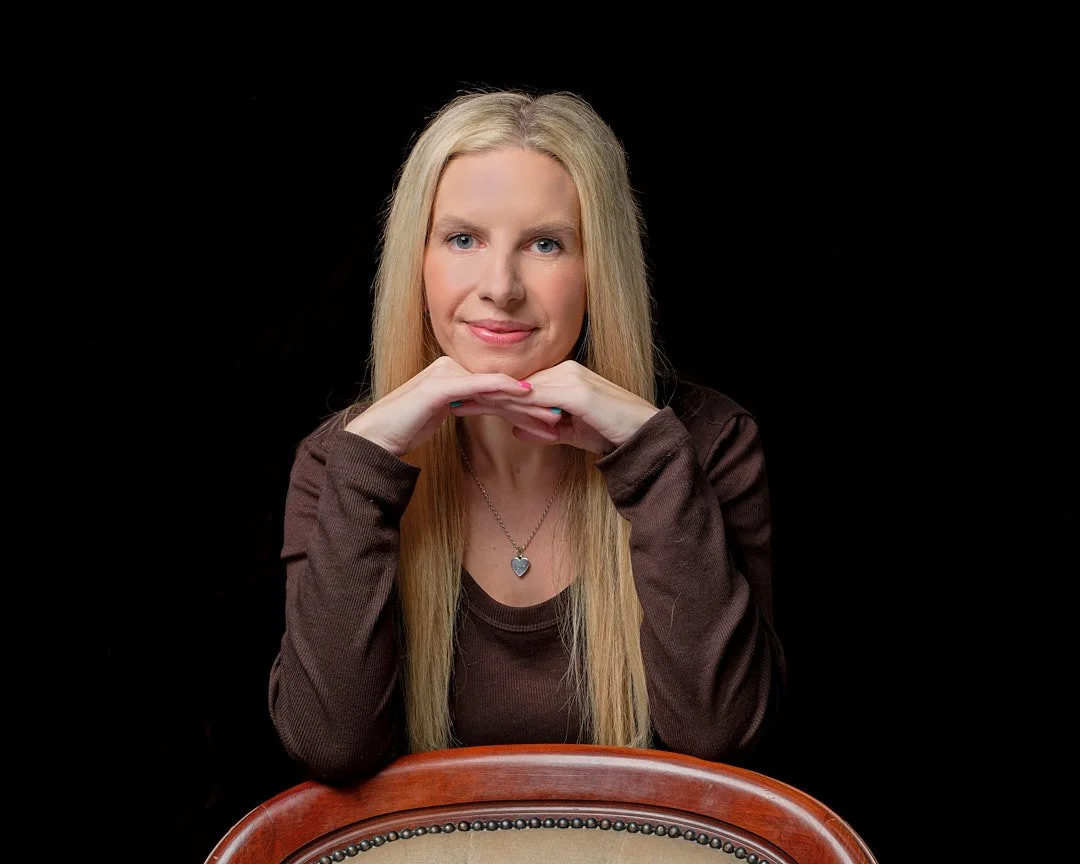
Professional headshot of a blonde woman in a brown top posing against a black studio background.
The Art of Not Fidgeting: Why Your Child’s Headshot is Their Most Important Script (and How We Survive the Session)
In the competitive world of casting, a young actor’s headshot is their calling card. It’s the first thing an agent sees and, crucially, the last thing they remember. But getting that "perfect" shot isn't about forced smiles or stiff collars. It’s about capturing that elusive, sparky thing called personality.
If there is one thing more unpredictable than the British weather, it is a ten year old in front of a studio light. One moment you have a mini Laurence Olivier, brooding with Shakespearean intensity; the next, they’ve discovered their own ear and are fascinated by its structural integrity.
In the competitive world of casting, a young actor’s headshot is their calling card. It’s the first thing an agent sees and crucially, the last thing they remember. But getting that "perfect" shot isn't about forced smiles or stiff collars. It’s about capturing that elusive, sparky thing called personality.
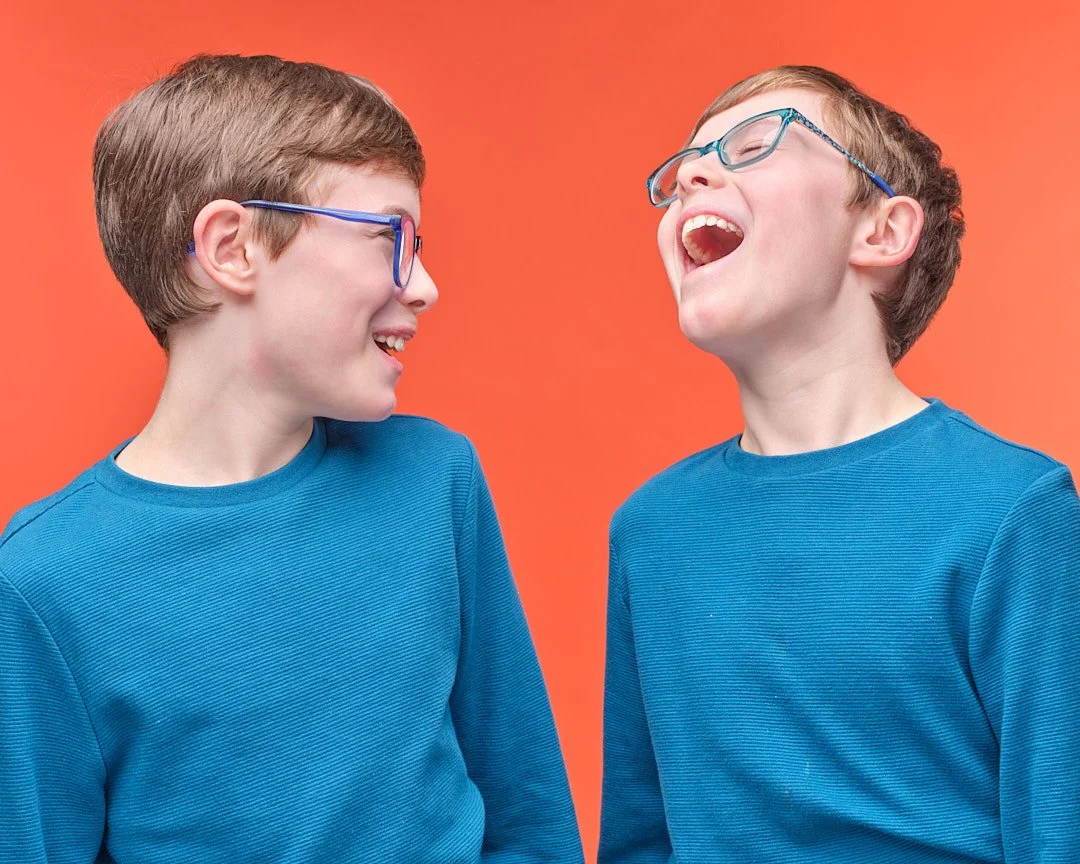
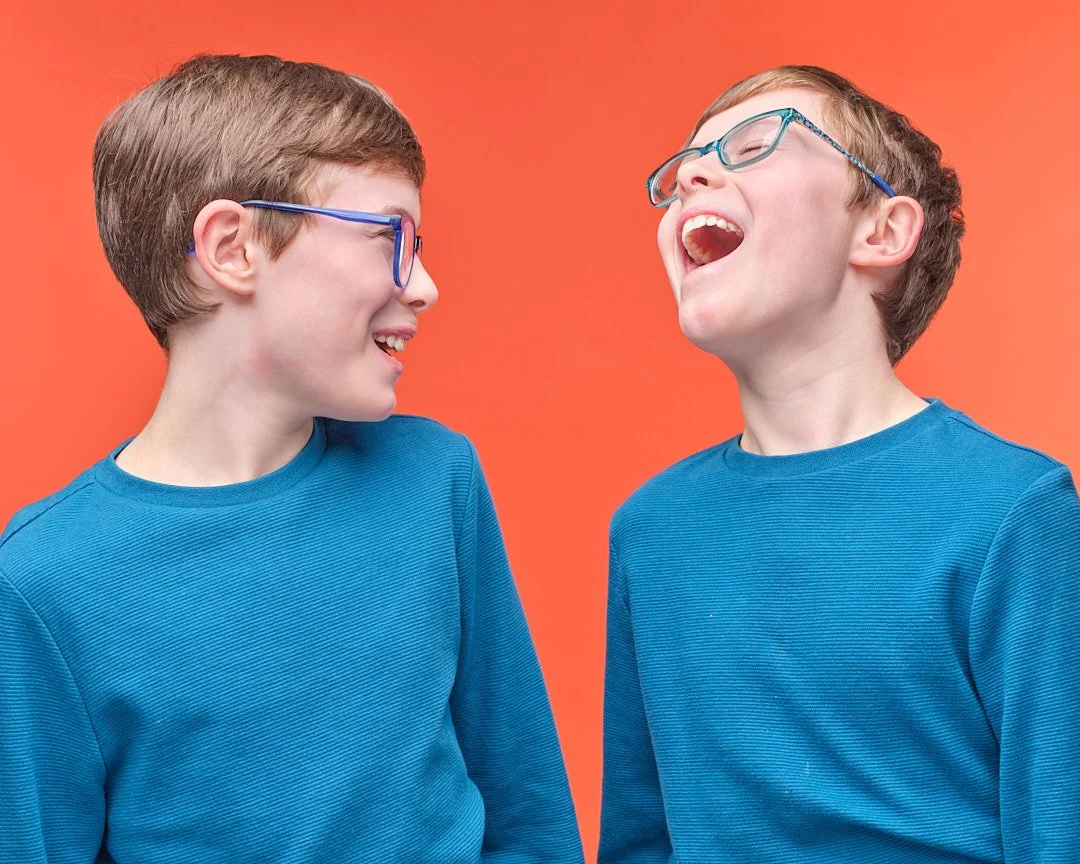
I recently had a two young performers in the studio, and it reminded me that the best shots happen in the quiet gaps between "poses." It’s the moment they laugh at a bad joke (I have many) or look thoughtfully at a lens like it’s a portal to another world.
Why Professional Studio Headshots Matter:
Agent Standards: Casting directors look for "Spotlight ready" images, clean backgrounds and natural lighting.
Authenticity: A pro headshot looks like the child on their best day, not a filtered version of someone else.
Confidence: There is a remarkable shift in a young person’s posture when they see a truly great, professional image of themselves.
Whether they are aiming for the West End or a local commercial, a great headshot is the first step on the ladder. My knees may creak when I drop down to their eye level, but the results are always worth the joint pain. So, if your child’s current headshot looks more like a school photo and less like a 'leading lead,' come see me. I’ll bring the bad jokes and the studio lights; you just bring the personality.